People
Click to expand the bio
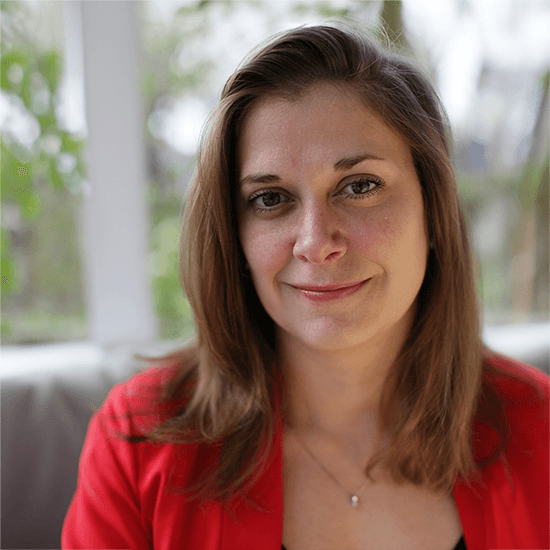
Kara Fletcher, BA, MSW, PhD, RSW
Kara Fletcher is an Associate Professor at the Saskatoon Campus and the Director of the Social Work Research Centre. Dr. Fletcher is an AAMFT accredited couple and family therapist (500 hour post-graduate diploma). Dr. Fletcher’s research programme focuses on couple and family therapy, and community-based approaches to treating and understanding mental health and substance use issues. She is currently writing a book on the impact of hustle culture on love relationships. Dr. Fletcher also researches the role of social workers in Medical Assistance in Dying.
Current Funded Projects
Principal Investigator RBC Research Fellowship: Developing a Saskatchewan-wide Virtual Support Group for Loved Ones Affected by Substance Use and Misuse.
Principal Investigator SSHRC IDG: Stories to Tell: A Pilot Podcast Project for Youth with Lived Experience of Crystal Meth Use in Saskatoon, Saskatchewan. You can view the project website here: https://glassgateway.wixsite.com/podcast
Co-Investigator SSHRC IDG: Supporting Workers to Build Resilience in Trauma-Impacted Children: A Saskatchewan Pilot Study in a Residential Program (PI: Lise Milne)
Principal Investigator Saskatchewan Health Research Foundation Establishment Grant:
Project: Mental health and substance abuse treatment in a Saskatchewan context: Who accesses and benefits from treatment? Who is missing?
Peer Reviewed Publications
King, J., Tupper, S.M., Fletcher, K., Brose, K., Goodridge, D. (2021). The current practice of social work in pain management: A scoping review on chronic disease, Social Work in Health Care. https://doi.org/10.1080/00981389.2021.1878318
King, J., Fletcher, K., Tupper, S.M., Brose, K., Goodridge, D. (2020). Pain management in bleeding disorders care: perspective of Canadian Social Workers in Hemophilia Care, Journal of Hemophilia Practice. 7(1). doi: 10.17225/jhp00163.
Fletcher, K. (2020). A systematic review of the relationship between child sexual abuse and substance use issues Journal of Child Sexual Abuse. https://doi.org/10.1080/10538712.2020.1801937
MacIntosh, H., Fletcher, K. & Ainsworth, L. (2019) Measuring mentalizing in Emotionally Focused Therapy for Couples with childhood sexual abuse survivors and their partners, Journal of Couple & Relationship Therapy.
Fletcher, K. & MacIntosh, H (2018). Emotionally Focused Therapy in the context of addictions: A replicative case study. The Family Journal. 26:3, 330-340.
Fletcher, K., & MacIntosh, H. (2018). “It’s about us, you know?” Relapses in Emotionally Focused Couples Therapy for addictions. Social Work Practice in the Addictions. 18:4, 364-388.
MacIntosh, H., Fletcher, K., & Collin-Vézina, D. (2016). “I was like damaged, used goods”: Thematic analysis of disclosures of childhood sexual abuse to romantic partners. Marriage and Family Review. DOI: 10.1080/01494929.2016.1157117
MacIntosh, H., Fletcher, K. & Collin-Vézina, D. (2016). “As time went on, I just forgot about it”: Thematic analysis of spontaneous disclosures of recovered memories of childhood sexual abuse. Journal of Child Sexual Abuse, 25(1) 56-72.
Fletcher, K., Nutton, J., & Brend, D. (2015). Attachment, a matter of substance: The potential of attachment theory in the treatment of addictions, Clinical Social Work Journal, 43, 109-117.
Fletcher, K. (2014). Couple therapy treatments for substance use disorders: A systematic review. Journal of Social Work Practice in the Addictions, 13(4).
Brend, D., Fletcher, K. & Nutton, J. (2013). With Laura: Attachment and the healing potential of substitute caregivers within cross-cultural child welfare practice. First Peoples Child & Family Review Journal, 7(2), 43-59.
Publications: Book Chapter
Fletcher, K. (2023). Trauma issues and substance use: Considerations for social work practice. In R. Csiernik, W. S. Rowe, & G. Novotna (Eds.). Responding to the oppression of addiction, fourth edition. pp. 418-432. Canadian Scholars Press.
Publications (Other)
Fletcher, K. (2022). I’m an addiction researcher and therapist. Here’s why promoting sober ‘dry months’ bothers me, The Conversation Canada. https://theconversation.com/im-an-addiction-researcher-and-therapist-heres-why-promoting-sober-dry-months-bothers-me-176657
Fletcher, K. (2021). Five tips for the tired heart to make connections this Valentine’s Day, University of Regina homepage. https://www.uregina.ca/external/communications/feature-stories/current/2021/02-12.html
Fletcher, K. (2021). The need to say it nicer: The language we choose when we talk about substance use matters, The Conversation Canada. https://theconversation.com/the-need-to-say-it-nicer-the-language-we-choose-when-we-talk-about-substance-use-matters-151055
Fletcher, K., Brown, J., Shaw, J., Goodridge, D., (2020) Research Report: Acute Advance Requests: A Pilot Study. Final Report Prepared for Dying with Dignity Canada. Unpublished, 29pp.
Fletcher, K., Milne, L. (2020). Research Report: Experiences of Students in University of Regina Faculty of Social Work and Justice Studies Field Practicum Seminars. Final Report for University of Regina Distance and Distributed Learning Committee: Unpublished. 51pp.
Fletcher, K. (2020). “What’s wrong with reproductive healthcare in Saskatchewan?” Op ed. Women for Saskatchewan. https://womenforsaskatchewan.ca/kara-fletcher-whats-wrong-with-reproductive-health-care-in-saskatchewan/
Fletcher, K. (2020). “Love in the time of coronavirus: 5 tips for communicating with your partner while stuck at home.” The Conversation Canada. https://theconversation.com/love-in-the-time-of-coronavirus-5-tips-for-communicating-with-your-partner-while-stuck-at-home-135638
MacIntosh, H., Fletcher, K., Gabriel, W. (2019). Reducing the harms of parental alcohol and substance use. Final report for the Department of Health and Social Development of the Nunatsiavut Government.
Fletcher, K. (2017). “I was having an affair with drugs”. Emotionally Focused Couple Therapy in the context of substance addictions, Psychologica. Ontario Association of Mental Health Professionals.

Click to expand the bio
Jiaxing is pursuing an MSc in Speech-Language Pathology and a PhD in Rehabilitation Science at the University of Alberta. She is currently working with Dr. Kara Fletcher as a research assistant on the project “Love in the Rage of the Age.” Jiaxing has been involved in conducting systematic and scoping reviews and preparing recruitment materials. Her expertise in comprehensive literature analysis, participant engagement, and qualitative and quantitative research methods will bring a valuable contribution to the study.
Her strong interdisciplinary background in linguistics, rehabilitation medicine, and cognitive science brought a different perspective and knowledge to this study. Additionally, her close work with the minority community and international study experience are good assets for understanding and working with diverse people from different cultural backgrounds.
Click to expand the bio
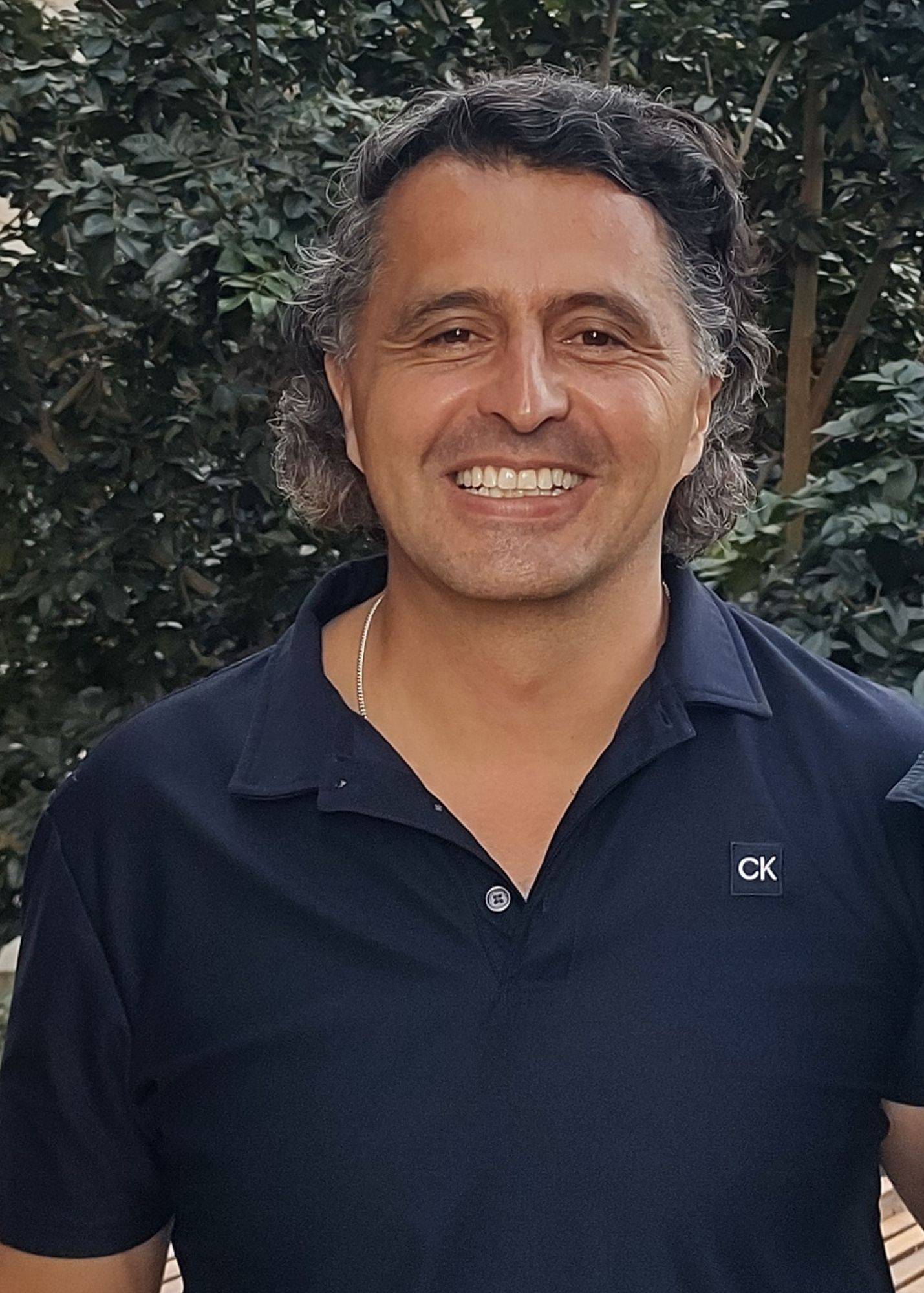
As part of the “Love in the Age of Rage” project at the University of Regina, Carlos:
📚 Actively participated in the scoping review to map the literature on couple dynamics (article published)
🔍 Lead a systematic review to evaluate the impact of conspiracy beliefs on trust, communication, and conflict (article submitted)
✏️ Contributed to the qualitative pilot study by designing the recruitment poster and assisting with transcript preparation and NVivo coding (in progress).
🌐 Contributed to the design, development, and curation of resources for the Conspiracy & Connections webpage, ensuring accessibility, clarity, coherence, inclusivity, and meaningful public engagement.
As a PhD candidate in Global Health at the Mary Heersink School of Global Health and Social Medicine at McMaster University, in Hamilton, Ontario, Carlos:
🤖 Investigated the contribution and ethical assessment of advanced AI systems such as ChatGPT in shaping health policies that involve Indigenous Peoples.
🧭 Builded this dissertation on an inquiry into ethics, equity, and global health, grounded in co-design with an Aymara Indigenous advisory committee from Bolivia.
🎥 Created a video with the conceptual framework guiding this research: https://www.youtube.com/shorts/7FC8XkbiUjw
In his previous research he has:
🩺 Integrated bioethics, narrative medicine, and applied ethics to highlight human dignity and protect vulnerable populations
💡 Examined concepts such as wonder, compassion, solidarity, pain, and suffering
⚖️ Addressed systemic issues like ethics dumping and the exploitation of Indigenous peoples
🌎 Advanced a personalist and intercultural bioethics that promotes equity, cultural humility, and decolonial perspectives in healthcare and research
He has also:
🌱 Worked on the promotion of a holistic vision of health and healing that recognizes the physical, psychological, spiritual, and social dimensions of the human person in her relation to the environment ❤️ fostering person-centered and compassionate care
👂 Conducted narrative studies on listening, compassion, and presence in palliative care
🗣️ Reflected on wonder, narrative medicine, encounter, language, and self-acceptance
✨ Emphasized how resilience, hope, and solidarity emerge in moments of pain and suffering
Carlos Alberto Rosas-Jiménez, BSc, BA, BA, MScIH, MSc, PhD (c)
(He/Him) Last name: Rosas-Jiménez
🔗 Personal website | ORCID | LinkedIn