Stories
Nancy
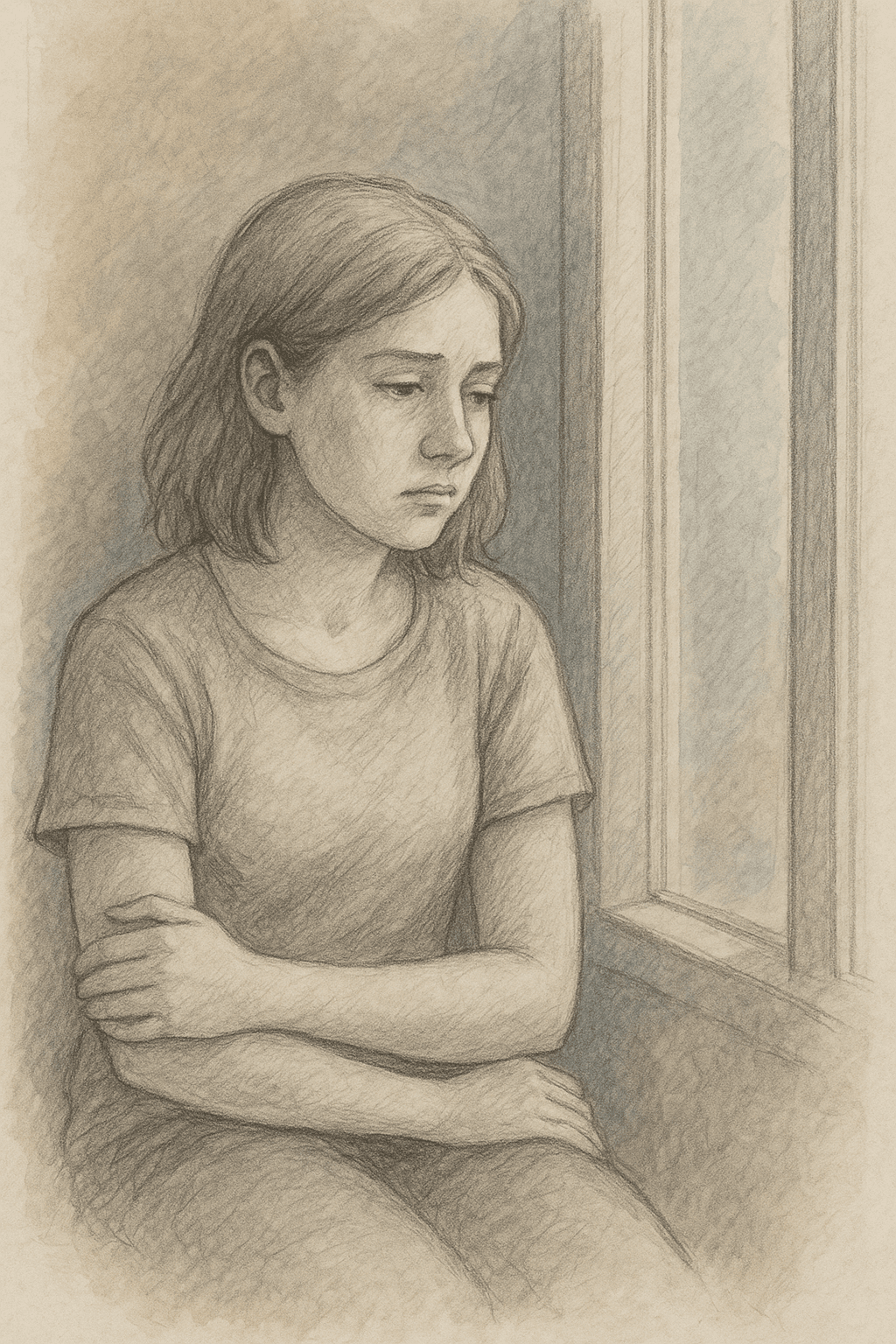
“Nancy, an 18-year-old white bisexual woman, returned home from college at the start of the pandemic in the spring of 2020, but her living situation with her parents quickly became intolerable. Nancy described her mother as passive aggressively homophobic and her father as belligerent with conservative political opinions. Both parents were openly skeptical of Nancy’s mental health conditions.
Nancy struggled to transition from the independence of college life to the parental home again, especially due to her family’s attitude towards LGBTQ identity and mental health. She noted that “I’ve honestly felt the worst I’ve ever felt because of COVID right now. Just because I’m holed up, and I feel like my mom’s getting angrier. It’s very difficult, because what usually cheers me up is going out and seeing friends and stuff.”
In her 2021 interview, Nancy said that she had the opportunity to move back to an apartment next to her college for the Fall 2020 semester, and she described significant improvements to her relationship with her parents and mental health with this distance. For Nancy, the inescapable nature of her living conditions during the shelter-in-place period of the pandemic intensified already existing conflicts and was eased by moving away from her parents again.
For Nancy, the sudden, forced relocation back to their parents’ house required them to deal with conflict that already existed, and this conflict became magnified by the forced social isolation and togetherness of the pandemic. For many other youth, the social conditions of the pandemic created new conflicts in family life” (Stone, et. al., 2025, pp. 96-97).
Note: The names mentioned here are the same as those used in the quoted research article.
Sources:
Stone, A. L., Powell, A., Pride, C., Rivera, G. & Njowo, P. (2025). What happens when family is forced together: Conflict, intimacy, and distance in queer and trans youth’s family relations during the pandemic. Journal of Family Issues. https://doi.org/10.1177/0192513X241237613
Castel
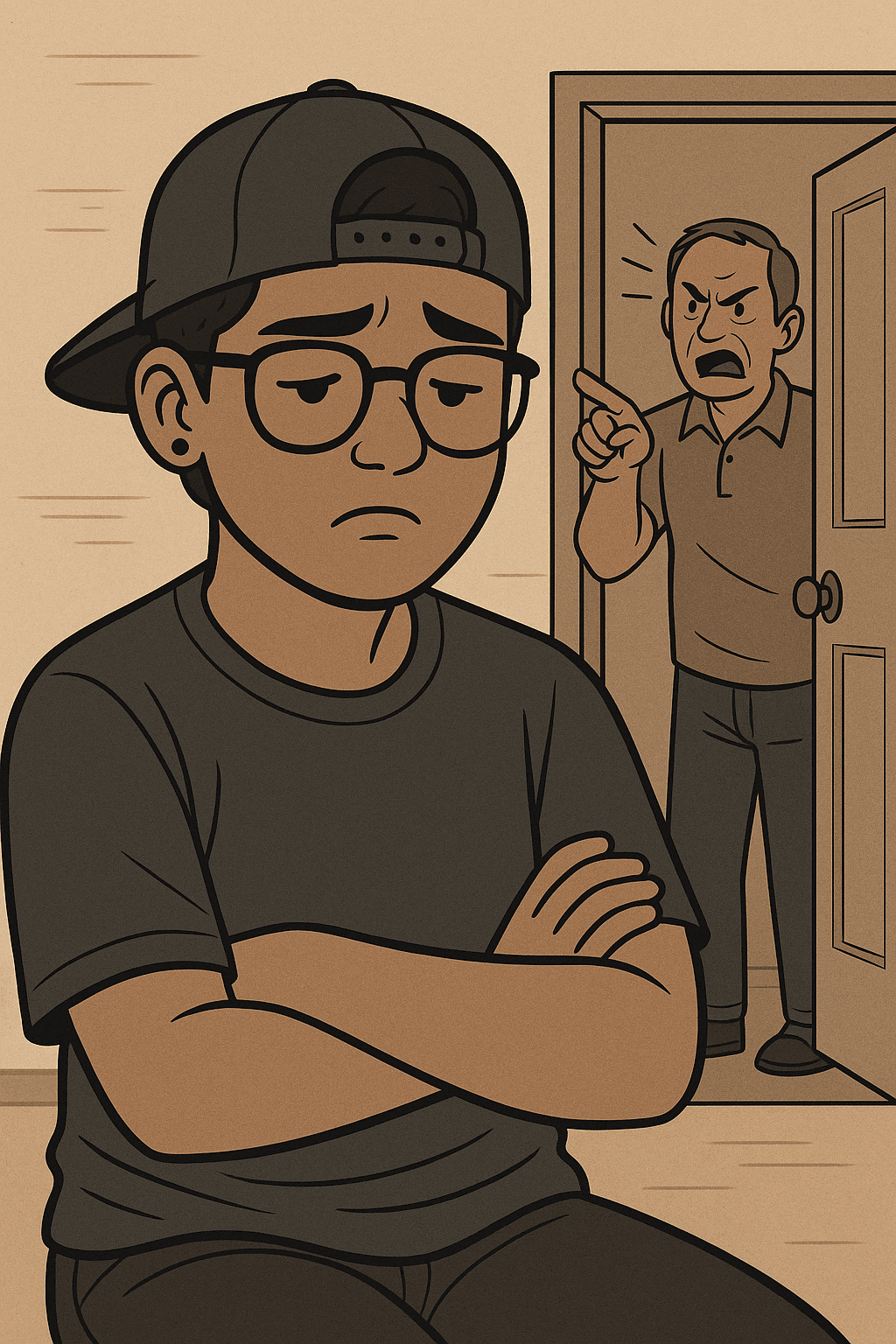
“For Castel, pre-existing conflicts were magnified by cramped living conditions during shelter-in-place. Castel, a 19-year-old Latinx nonbinary person, did not speak to the majority of their family, but when college shut down in March 2020 they ended up at their father’s house in San Antonio. For Castel, not being able to see their friends from college every day was “a little bit of a shock.” Their forced stay in San Antonio set them back immediately, because “I’ve just been kind of doing a lot of recovery throughout this last year, and it felt like it was all pulled back the second that I got to San Antonio. I had to stay there, especially with the people that like I had left for a reason, you know.”
The personal conflict in the house was long-standing issues, specifically their father’s political views and their inability to “listen and reciprocate ideas, even like listening to people’s boundaries that they set.” Their coping strategy of physical and social distance was limited by this sudden forced togetherness. The poverty of their family exacerbated the social isolation. Castel thought that there would be less household conflict if the family members “had the space to be far apart from one another, liked the food to be eating at every moment, and had space to declutter our house.”
This socioeconomic precarity intensified the social isolation by having limited personal space and income. Castel felt isolated but also concerned about transmitting the virus to their elderly father and brother. For Castel, support of the family’s health was prioritized over their own social well-being; although Castel desired distance, they also were attuned to the priorities of familism.
For Castel, the sudden, forced relocation back to their parents’ house required them to deal with conflict that already existed, and this conflict became magnified by the forced social isolation and togetherness of the pandemic. For many other youth, the social conditions of the pandemic created new conflicts in family life” (Stone, et al., 2025, pp. 96-97).
Note: The names mentioned here are the same as those used in the quoted research article
Sources:
Stone, A. L., Powell, A., Pride, C., Rivera, G. & Njowo, P. (2025). What happens when family is forced together: Conflict, intimacy, and distance in queer and trans youth’s family relations during the pandemic. Journal of Family Issues. https://doi.org/10.1177/0192513X241237613
Dani
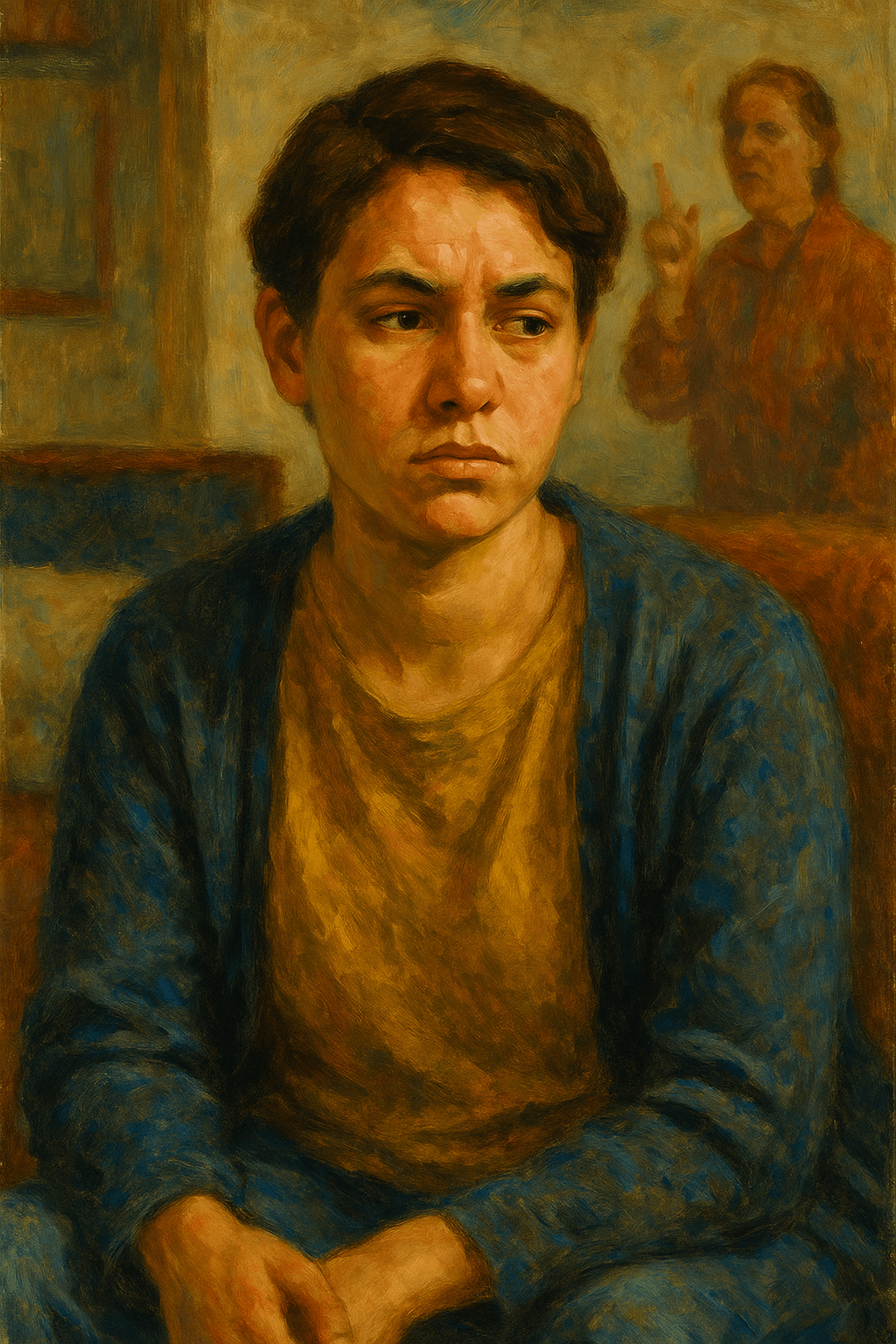
“For Dani, a 21-year-old Latinx agender queer person, the forced closeness of the shelter-in-place policies required constant managing of their parents’ political conservatism. Dani had to move back to their parents’ house suddenly when the pandemic started. They described the move as mostly smooth with “more freedoms and more respect for my privacy” from their mother, but emotionally hard for their mental health to not be able to “go out and get distracted going out with my friends.”
Dani described the most challenging part of family relations as their mother having “Catholic apocalypse conspiracy theories” that “Obama is vaccinating microchips in us.” Dani desired to avoid these conversations and they said “I’d rather be at a distance” from their mother than living so close. They described their mother’s preoccupation as creating tension in the extended family, as she frequently talked about these conspiracy theories and picked fights.
According to Dani, the rest of the family developed “extreme” concerns about germs such that “if you went outside when you came in you couldn’t touch anything, you had to immediately take off your clothes and wash them.” At the end of the summer of 2020, Dani moved to live with a partner and friends.
In 2021, Dani described their mother’s vaccine opposition as “very stressful” but easier to manage from a distance. For Dani, the forced closeness of shelter-in-place made their mother’s conspiracy theories and family germ concerns even more challenging without the release of seeing friends outside the home” (Stone et al, 2025, pp. 97-98).
Note: The names mentioned here are the same as those used in the quoted research article.
Sources:
Stone, A. L., Powell, A., Pride, C., Rivera, G. & Njowo, P. (2025). What happens when family is forced together: Conflict, intimacy, and distance in queer and trans youth’s family relations during the pandemic. Journal of Family Issues. https://doi.org/10.1177/0192513X241237613
Fernanda
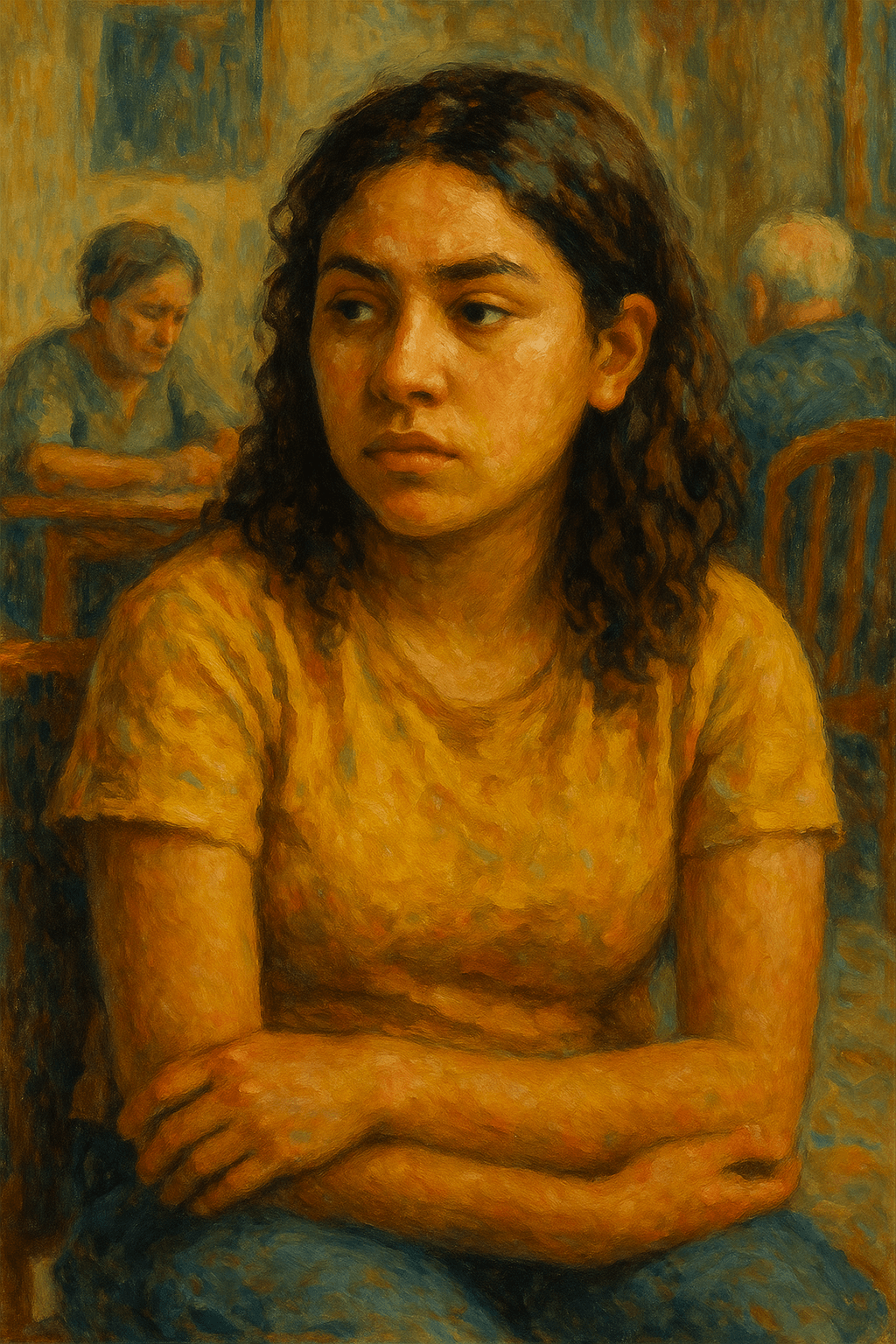
“Fernanda, an 18-year-old Latinx pansexual woman, lived with her single mother, some brothers, and her grandfather and attended a local community college. In 2020, her mother’s paycheck got cut in half due to events being canceled due to the pandemic, which created a lot of economic hardship and conflict in the family. Her grandfather’s brother also got shot during the pandemic which was “hard on our family, the fact that they couldn’t have a funeral because of the virus so we didn’t get to say our last goodbyes.”
These events magnified the strain in the family around resources and forced togetherness. These magnified conflicts were a direct result of the pandemic conditions, including economic hardships, political partisanship, and the prevention and treatment of the COVID-19 virus. For these youth, the conservative politics of the pandemic challenged their relationships with parents, as they had to navigate the pandemic in close proximity with relatives in denial about the virus.
Post-vaccine pandemic life brought new challenges—including getting parents to get vaccines—but had more relief from social isolation and possibilities for distance and avoidance tactics” (Stone, et.al., 2025, p. 99).
Note: The names mentioned here are the same as those used in the quoted research article
Sources:
Stone, A. L., Powell, A., Pride, C., Rivera, G. & Njowo, P. (2025). What happens when family is forced together: Conflict, intimacy, and distance in queer and trans youth’s family relations during the pandemic. Journal of Family Issues. https://doi.org/10.1177/0192513X241237613
Martin
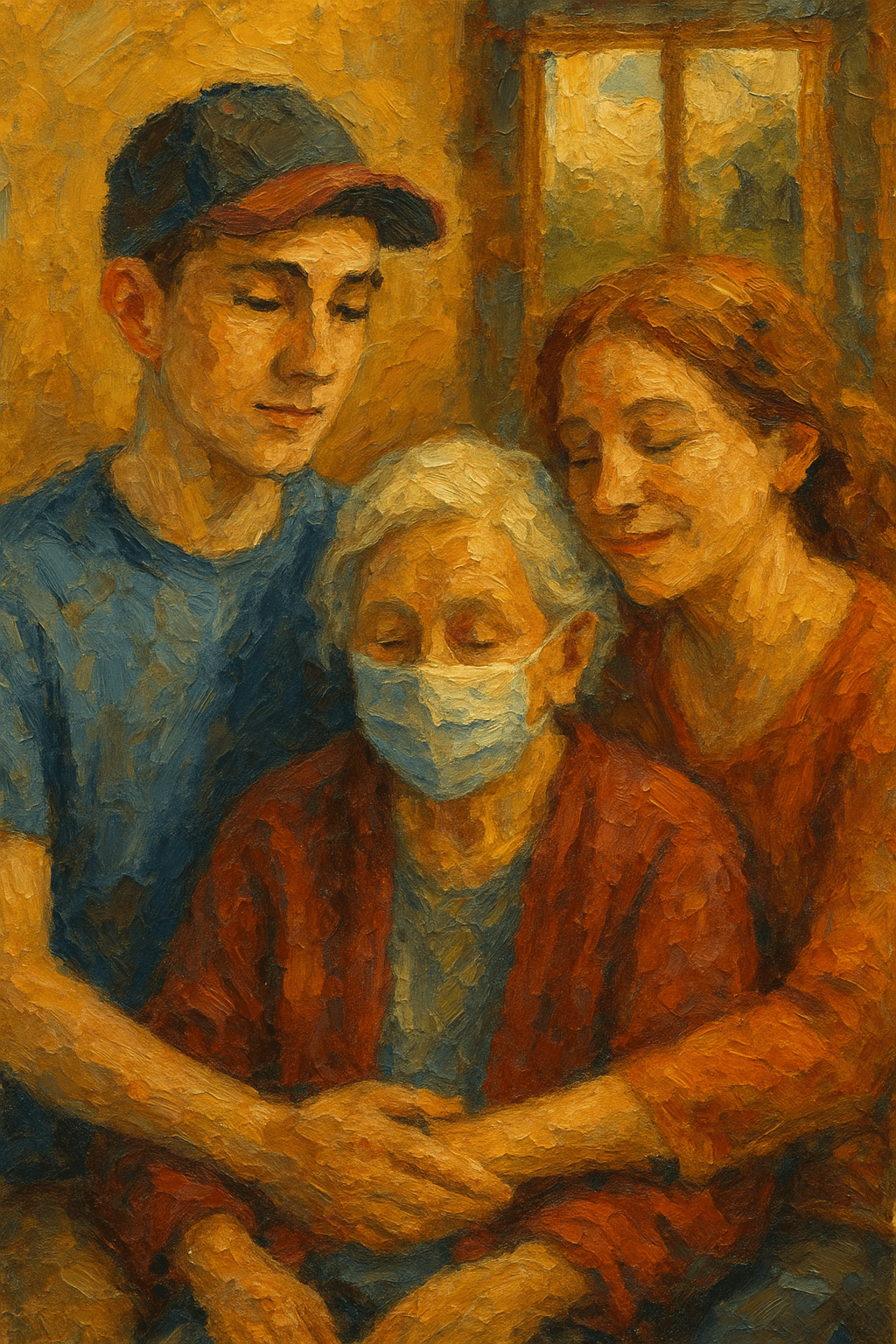
“For Martin, an 18-year-old white gay trans man, his home life became supportive during the pandemic. During this study, Martin lived in a rural area with his mother, grandmother, and boyfriend, where he had just moved in before the pandemic started. Before that, Martin was unhoused for a few years after running away from his transphobic father and stepmother. Despite living in a rural county that felt hostile to LGBTQ people, Martin felt a sense of safety in his home. Because he was concerned about his grandmother’s health, Martin stopped having friends over and going out “out of respect for her and everyone else. It was stressful at first, but we got through it.” Making a household pod became an opportunity to reconnect with his mother, who had been in rehab and out of his life for most of his teen years.
He described his mother as supportive “even when she doesn’t understand or know how to help, she’s always there for me, and she’s always trying.” Martin had lived with his father most of his life, and he found it healing to get to know his mother. Martin described being part of a team to keep his grandmother healthy and safe.
The forced togetherness of the pandemic created an opportunity for Martin to feel part of a supportive family that was banding together during the pandemic” (Stone, et.al., 2025, p. 99).
Note: The names mentioned here are the same as those used in the quoted research article
Sources:
Stone, A. L., Powell, A., Pride, C., Rivera, G. & Njowo, P. (2025). What happens when family is forced together: Conflict, intimacy, and distance in queer and trans youth’s family relations during the pandemic. Journal of Family Issues. https://doi.org/10.1177/0192513X241237613
About conspiracy beliefs and believers
“…went from being a really sort of happy, gentle, kind, lovely, funny person to being absolutely hate-filled”
(Mastroni & Mooney, 2024, p. 2483).
“…has become much more irrational, illogical…just an angry, miserable person (…) “I one-hundred thousand percent blame it on QAnon”
(Mastroni & Mooney, 2024, p. 2483).
“It’s mind-blowing to hear what she says and really believes”
(Mastroni & Mooney, 2024, p. 2483).
“Before the whole QAnon thing, I remember…he mentioned something about how Obama wasn’t a real American…The conspiracies, I think, were a part of his life for quite a long time, but…back in 2008, it was fairly benign. It was stuff that you would hear like once and then people just forget about it and it doesn’t matter. But now…it’s become more of a militant thing”
(Mastroni & Mooney, 2024, p. 2484).
“He felt I was taken up with the devil. And so, what compunction do people have about doing violence to something that they think is actually a demon? … He made me fear him. I can’t forgive that”
(Mastroni & Mooney, 2024, p. 2484).
“Before, I just thought of him as I would any other family member. Now…I’m terrified of being trapped in a conversation with him”
(Mastroni & Mooney, 2024, p. 2485).
“The problem here is that we have this circle of people within the family who believe what she believes…they’re all reinforcing each other’s views and bolstering each other and providing moral support, complaining about their normie sheep relatives”
(Mastroni & Mooney, 2024, p. 2485).
“His response to me in those conversations is just anger…I could tell him now that the sky is blue, and he would give me 15 reasons why it’s not and scream them all”
(Mastroni & Mooney, 2024, p. 2486).
“I was in tears on multiple occasions, and she was sitting within arm’s reach of me, and she just completely ignored my emotions, completely belittled me, and it was just surreal”
(Mastroni & Mooney, 2024, p. 2487).
“Of all the research I’ve read, it’s important to just keep having the conversation with these the people that believe these things and keep them talking, but I find that it’s exhausting…but I’m also scared…to go deeply and find out how much he’s in the rabbit hole”
(Mastroni & Mooney, 2024, p. 2489).
“There’s just no way to communicate with them about it and make them at least doubt what they believe. And so I just gave up and I just said…I can’t keep investing in this. We just have to stop talking about these things”
(Mastroni & Mooney, 2024, p. 2490).
“I started reading about how to get somebody out of a cult, and I tried the deprogramming techniques, that didn’t work either, any better than fighting it did and calling it false. It was just hopeless. He was so sucked in by that time”
(Mastroni & Mooney, 2024, p. 2490).
“At one time [my sister and I] were so close we could practically read each other’s minds. Now we barely speak”
(St-Amant, et al., 2023, p. 54).
“[We are] near divorce, separate bedrooms, little mutual contact”
(St-Amant, et al., 2023, p. 54).
“We have had to distance ourselves entirely from her. She has isolated two children from our family and we are no longer allowed any contact with them”
(St-Amant, et al., 2023, p. 54).
“I no longer see or speak to my father”
(St-Amant, et. al., 2023, p. 54).
“I’m lying low for now since I still live with [the Q-person] and want to keep our relationship intact. I hope that if she gets support from me and unconditional love she can someday get out
(St-Amant, et al., 2023, p. 54).
“…They yelled at me about why all the violence and misogyny and homophobia and racism and political figures that they support are somehow right and just. Because I’m not able to move out yet, I just made them agree to never talk about those things with me again (because for some reason they still want a relationship with me), but I will be getting out as soon as possible”
(St-Amant, et al., 2023, p. 55).
“…poisonous, horrible, destructive, evil, insidious”
(Mastroni & Mooney, 2024, p. 2483).
“…evil, absolutely evil, horrific, brainwashing, corrupting cult”
(Mastroni & Mooney, 2024, p. 2490).
“It affects what we can talk about, so most of our conversations now have to stay pretty surface-level. You really can’t go too deep into things”
(Mastroni & Mooney, 2024, p. 2485).
“I think it has truly become a cult…the way it makes you cut yourself off from your saner relatives…It’s definitely got those cult characteristics”
(Mastroni & Mooney, 2024, p. 2488).
“QAnon is like drug addiction, and, you know the whole cliché, the first step is them admitting they have a problem and then you can do the deprogramming and all that. But until they recognize they need help you can’t do a damn thing”
(Mastroni & Mooney, 2024, p. 2488).
“It has essentially destroyed all social function of our family. I don’t talk to my mom voluntarily anymore, it’s only when I feel I have to”
(St-Amant, et al., 2023, p. 54).
Note: The quotes are reproduced exactly as they appear in the original research article.
Sources:
Mastroni, L. & Mooney, R. (2024). “I one-hundred thousand percent blame it on QAnon”: The impact of QAnon belief on interpersonal relationships. Journal of Social and Personal Relationships, 41(9), 2478-2499. https://doi.org/10.1177/02654075241246124
St-Amant, M., Kin, M., Stolte, l. & Argentino, M.-A. (2023). Qollateral: The impact of QAnon on loved ones and the potential for P/CVE programs to help. Journal for Deradicalization, 35. https://journals.sfu.ca/jd/index.php/jd/article/view/739
What has helped other people
“Peer support would be huge. I doubt my [Q-person] would attend counseling. However, support for me and others in my family as we navigate this is key.”
(St-Amant, et al., 2023, p. 55).
“Counseling and peer support has helped me alleviate some of the mental toll that’s come from having a Q anon parent.”
(St-Amant, et al., 2023, p. 55).
“The online and peer connections were especially helpful because we could share details and commiserate a bit and also share what might be helpful or give each other encouragement and support…”
(St-Amant, et al., 2023, p. 55).
“I want to connect with other individuals who have family members who believe in QAnon and had a strain on their relationship.”
(St-Amant, et al., 2023, p. 56).
“When dealing with something as logic-warping as QAnon, it would be nice to connect with others who are going through the same experience… I used to view /r/QAnonCasualties a lot and found it therapeutic. But once things got more intense in real life, I found the digital community a little alienating… I wanted traditional human interaction.”
(St-Amant, et al., 2023, p. 56).
“Support for me and others in my family as we navigate this is key – particularly from professionals who have experience with QAnon.”
(St-Amant, et al., 2023, p. 57).
“[Psychosocial support services] help[ed] me deal with the sadness and frustration… giving me tools to defuse situations with this Q Person, as well as with others I may encounter on and offline, developing knowledge and skills to talk with friend, family members, and co-workers regarding QAnon.”
(St-Amant, et al., 2023, p. 58).
“As for critical thinking skills, [psychosocial services] gave me “weapons” to disengage from conversation with my [Q-person], or [at] least sometimes make her unsure about things she shares.”
(St-Amant, et al., 2023, p. 58).
“Reddit group has been helpful to know I’m not alone. Therapy has helped me grieve the loss of the person I married.”
(St-Amant, et al., 2023, p. 60).
“Therapy has been helpful. I grieve my mom as though she has died.”
(St-Amant, et al., 2023, p. 60).
Note: The quotes are reproduced exactly as they appear in the original research article.
Sources:
St-Amant, M., Kin, M., Stolte, l. & Argentino, M.-A. (2023). Qollateral: The impact of QAnon on loved ones and the potential for P/CVE programs to help. Journal for Deradicalization, 35. https://journals.sfu.ca/jd/index.php/jd/article/view/739
Better support services are needed
“Being able to approach someone who specifically understands QAnon and who would be able to give advice and help people who have to live with/deal with someone in their life constantly who believes in QAnon. There’s not enough information out there or professionals who can give guidance on living with someone who believes in conspiracy theories.”
(St-Amant, et al., 2023, p. 57).
“Couple’s counselor didn’t understand deeply what QAnon entrapment really was about and how to combat it.”
(St-Amant, et al., 2023, p. 57).
“[Current support services] lack QAnon and cult mentality training.”
(St-Amant, et al., 2023, p. 57).
“Therapist said they could help with QAnon and understood the impact, but ditched me after 2 sessions…”
(St-Amant, et al., 2023, p. 57).
“The services need to understand QAnon and cults in depth.”
(St-Amant, et al., 2023, p. 57).
“Need services that specialize in conspiracy theorists and how to deal with them.”
(St-Amant, et al., 2023, p. 57).
“Actual counseling with cult/Q specialist[s] [is] very expensive.”
(St-Amant, et al., 2023, p. 57).
“[Services were not helpful because of] the therapists lack of knowledge around Q.”
(St-Amant, et al., 2023, p. 57).
“[The support professional] had never heard of Q, so they weren’t equipped to fully help me with the trauma Q has had on me and didn’t understand the gravity of the situation.”
(St-Amant, et al., 2023, p. 57).
Note: The quotes are reproduced exactly as they appear in the original research article.
Sources:
St-Amant, M., Kin, M., Stolte, l. & Argentino, M.-A. (2023). Qollateral: The impact of QAnon on loved ones and the potential for P/CVE programs to help. Journal for Deradicalization, 35. https://journals.sfu.ca/jd/index.php/jd/article/view/739
Stories have always been at the heart of human connection

🌍 In today’s digital age, storytelling is no longer limited to words alone—it blends multimedia, interactivity, and now, artificial intelligence. This fusion is transforming how we learn, share, and promote health and wellness.
✨ What is Digital Storytelling (DST)?
📖 Combines personal or educational narratives with multimedia (images, video, audio).
🎥 Makes stories more immersive, engaging, and emotionally powerful.
🤝 Builds empathy, reflection, and collaboration across communities.
🤖 What is AI-driven Digital Storytelling?
🧠 Uses generative AI tools (text, image, video, audio) to enrich stories.
🎨 Democratizes creativity by helping anyone turn ideas into vivid, compelling narratives.
🌐 Enables adaptive and culturally grounded storytelling that resonates with diverse audiences.
💡 Why is this important for Public Health & Wellness?
❤️ Turns health communication into stories that people can relate to and remember.
🌱 Promotes positive behavior change through engaging, human-centered narratives.
📣 Bridges cultural and digital divides, fostering inclusion and collective well-being.
✅ Conclusion:
Digital storytelling, powered by AI, is not just a creative tool—it is a transformative force in health and wellness promotion. By weaving together technology, empathy, and culture, it makes public health messages resonate more deeply and drive meaningful change.
#DigitalStorytelling #AIDrivenStories #HealthCommunication #WellnessPromotion #PublicHealthInnovation #AIForGood #StorytellingForChange #HealthEquity #DigitalInclusion #FutureOfHealth
Sources:
Belda-Medina, J. R., & Goddard, A. (2024). Digital storytelling and artificial intelligence in language education: An exploration of pedagogical innovation. International Journal of Language Studies.
Briant, E. (2016). The power of digital storytelling: A critical discourse analysis of narratives of child trafficking in the UK. Journal of Human Trafficking, 2(2), 123–141.
Fernandes, T., Nisi, V., Nunes, N., & James, S. (2024). ArtAI4DS: AI art and its empowering role in digital storytelling. In Proceedings of the International Conference on Interactive Digital Storytelling.
Gu, R., Li, H., Su, C., & Wu, W. (2023). Innovative digital storytelling with AIGC: Exploration and discussion of recent advances. arXiv preprint arXiv:2309.14329. https://doi.org/10.48550/arXiv.2309.14329
Tarigan, F. N., Hasibuan, S. A., & Nurmayana. (2024). Application and challenges of digital storytelling based artificial intelligence for language skills: A narrative review. Southeast Asia Language Teaching and Learning (SALTeL) Journal, 7(1), 1–8. https://doi.org/10.35307/saltel.v7i1.117
Thorne, S. (2020). Hey Siri, tell me a story: Digital storytelling and AI authorship. Convergence: The International Journal of Research into New Media Technologies, 26(4), 808–823. https://doi.org/10.1177/1354856520913866
🌟 The following are AI-generated stories inspired by real quotes gathered from the research project “Love in the Age of Rage”. They are not therapeutic interventions, but rather illustrative examples designed to highlight the potential therapeutic, educational, and advocacy value of storytelling in the context of conspiracy theories and their impact on relationships and communities.
The names and pronouns used in these stories are included only to make the narratives more person-centred. They are not intended to represent any specific culture, nationality, or social group. The stories should be understood in the context of conspiracy theories and their effects, with attention to the therapeutic, educational, or advocacy value highlighted in the conclusions.
Therapeutic value stories
Elena
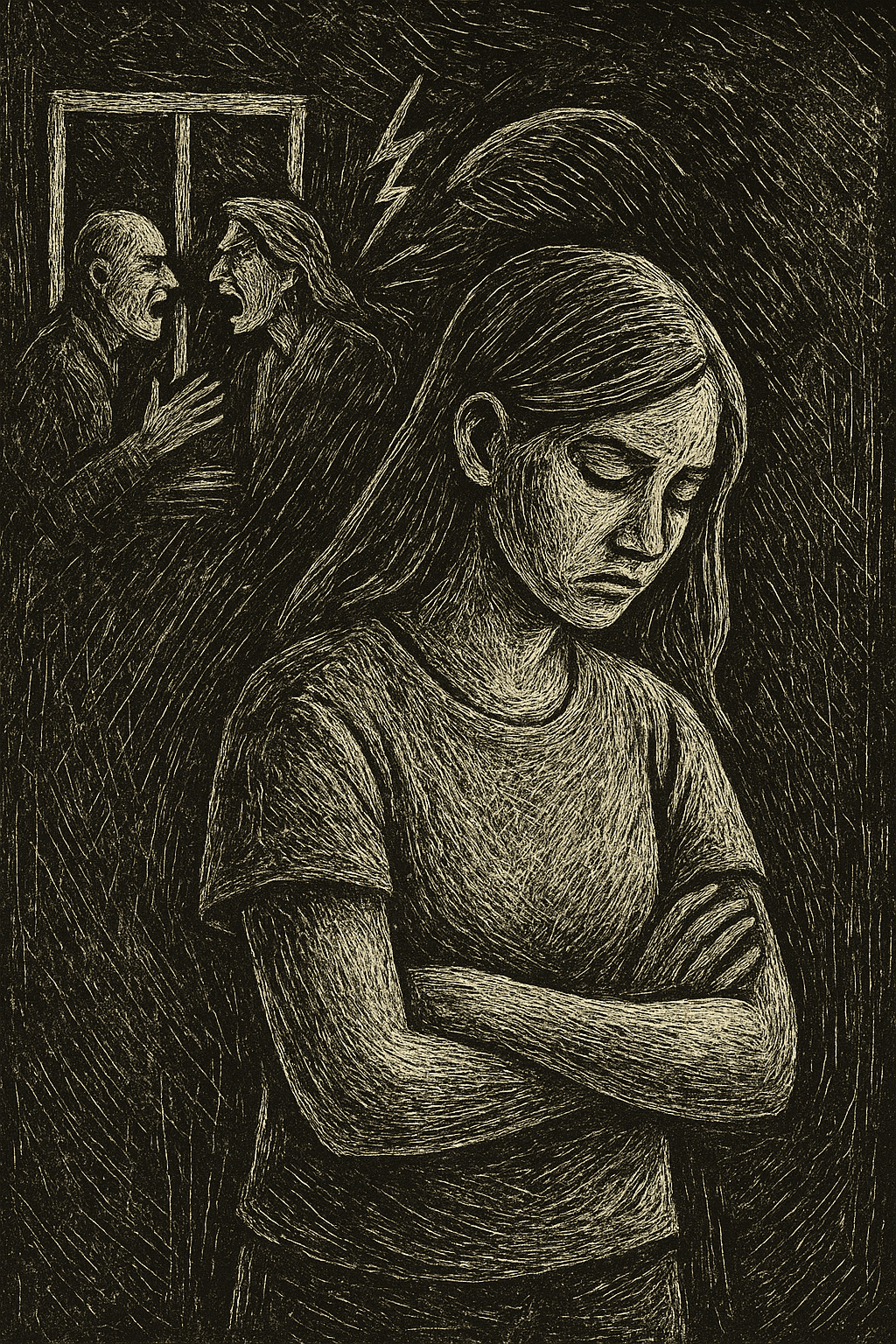
When the pandemic began, Elena returned to her family’s home, thinking it would be a safe haven during lockdown. Instead, she found herself in the middle of daily arguments. Some family members were deeply invested in conspiracy theories about the virus, vaccines, and politics. Dinner conversations quickly turned into battles, and the home she had imagined as a refuge became a place of constant tension.
At first, Elena felt trapped and powerless. She tried to reason, then to ignore, and finally to withdraw, but the conflict kept weighing on her. The isolation of the pandemic only amplified her feelings of being unheard and invisible.
Slowly, she began to shift focus. She carved out her own space in the house, started online classes, and reconnected virtually with supportive friends. She created small rituals of independence—cooking meals just for herself, journaling, and going on long walks. These small steps gave her a sense of control and reminded her of her own voice and value.
By the time restrictions eased, Elena realized she had built something important: the strength to stand on her own, even in a hostile environment. The conflicts didn’t disappear, but her relationship to them changed. She no longer defined herself by the anger around her.
✨ Therapeutic Value:
Elena’s story shows how reclaiming independence—even in small, everyday ways—can reduce isolation and foster healing in the middle of family conflict fueled by conspiracy beliefs.
Mei Ling
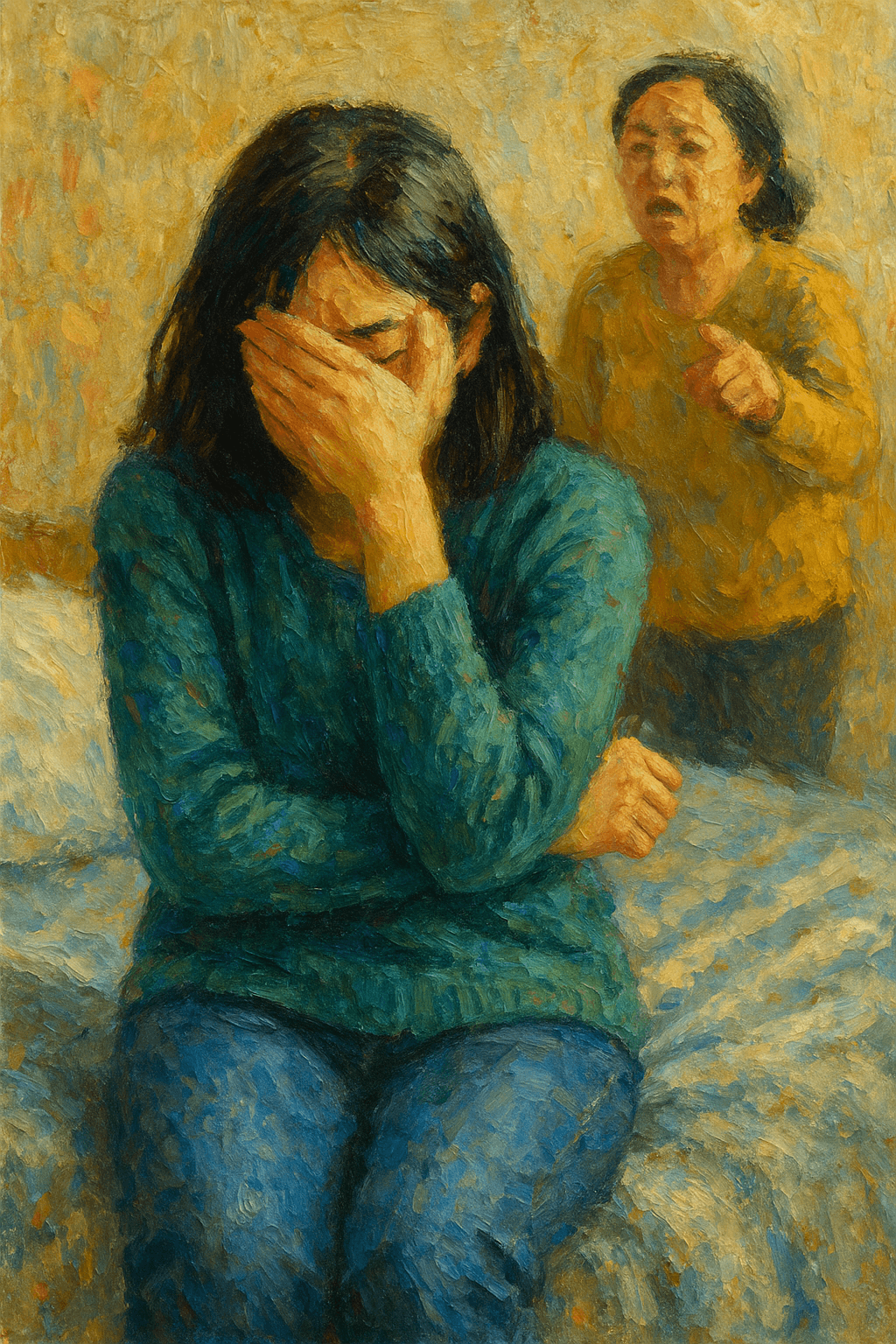
When Mei Ling was forced to stay home during the pandemic, she expected the hardest part would be missing friends and school. Instead, the real challenge came from inside her own walls. Her mother had become consumed by conspiracy beliefs, convinced that vaccines were dangerous and the pandemic a hoax. Every day, Mei Ling faced tense conversations, dismissive remarks, and an atmosphere where her fears and feelings were invalidated.
The confinement left Mei Ling exhausted. She stopped trying to argue and often retreated to her room in silence. Isolation deepened, and she felt as though she was losing not only her social life, but her relationship with her mother too.
Slowly, Mei Ling found small coping strategies. She reached out to supportive friends online, kept a private journal where she could freely express her emotions, and created a routine of daily walks to clear her mind. These small acts of self-care didn’t erase the conflict, but they gave Mei Ling breathing room, a sense of independence, and the reminder that she wasn’t completely powerless.
✨ Therapeutic Value:
Mei Ling’s story shows how, even in situations of deep family conflict tied to conspiracy beliefs, small personal strategies—like writing, connecting with friends, or creating space for oneself—can reduce isolation and begin to foster healing.
Arjun
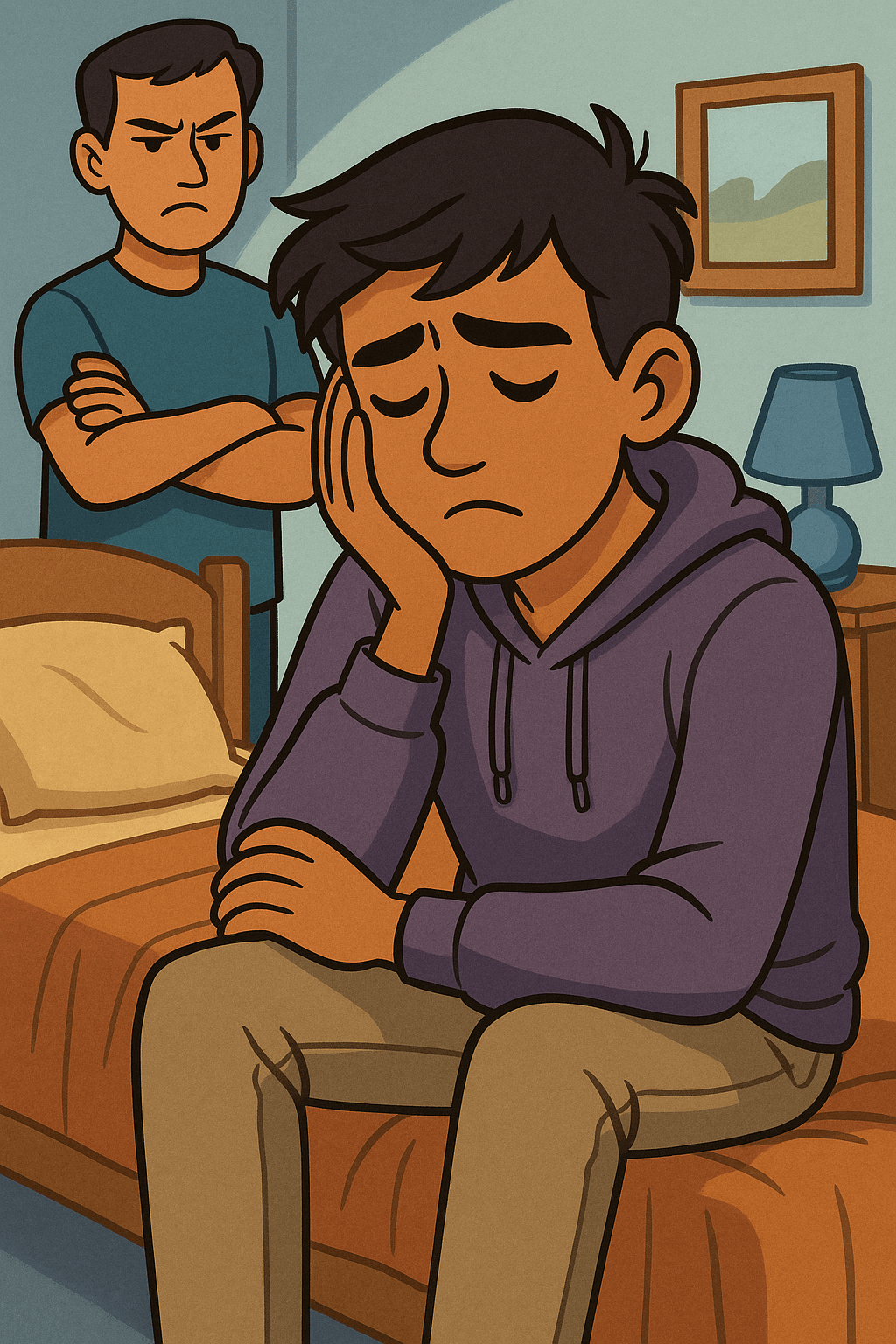
For Arjun, the hardest part was not the shouting, but the silence. Their older brother had once been their closest confidant—the one who shared jokes, music, and late-night conversations. But as their brother sank deeper into conspiracy theories, every interaction became strained. Arjun noticed the shift: mistrustful questions, angry remarks, and eventually, a refusal to talk about anything beyond conspiracies.
What hurt most was the loss of connection. “At one time, we were so close we could practically read each other’s minds,” Arjun reflected. Now, their bond felt broken. Attempts to challenge their brother’s beliefs only fueled more distance. Arjun began to feel invisible in their own home, grieving the relationship that once grounded them.
Rather than continuing to push, Arjun turned inward. They started attending a peer support group where others shared similar experiences of loss and confusion. Hearing that others had walked the same painful path lifted the weight of isolation. With the encouragement of a counselor, Arjun began to write letters to their brother—not to send, but to express emotions honestly, free of argument.
They also cultivated quiet practices: playing guitar, running, and spending time outdoors. These gave them a way to release tension and remind themselves of the life they could still build. Slowly, Arjun discovered that healing did not mean fixing their brother, but reclaiming their own stability.
✨ Therapeutic Value:
Arjun’s story shows that when communication with a conspiracy-believing loved one becomes impossible, focusing on self-expression, peer support, and personal well-being can provide a path forward. Healing begins not by changing the other, but by protecting one’s own mental health and nurturing sources of resilience.
Nadia
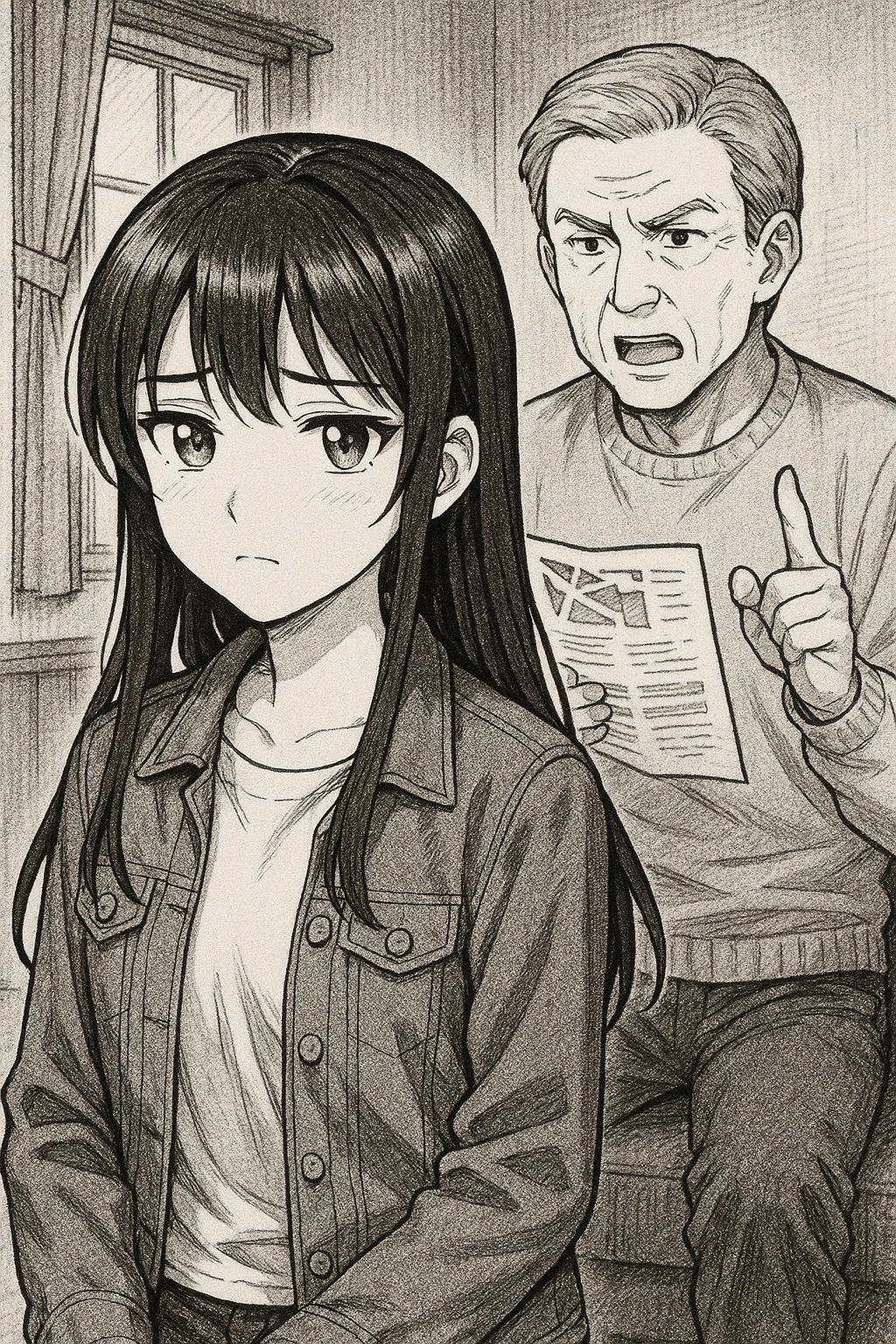
Nadia had always admired her uncle, a man who had supported her through college applications, cheered at her soccer games, and sent her encouraging notes during exams. But during the pandemic, something shifted. He began sending her long emails filled with conspiracy theories—claims about hidden cabals, manipulated elections, and “brainwashing” by the media. At first, Nadia brushed them off as quirky diversions. But as the months went on, the messages grew more insistent, angry, and accusatory.
Family gatherings became difficult. “You’ve been taken in by the system,” he told her bluntly one afternoon, shaking his head with disappointment. Nadia felt a pang of loss—how could someone who once believed in her so strongly now doubt her judgment entirely? She wrestled with anger, sadness, and the urge to cut ties altogether.
Instead of reacting immediately, Nadia chose to pause. She recognized she couldn’t argue him out of his beliefs, and she didn’t want to burn the bridge completely. So she created a new rhythm: answering only messages that avoided conspiracy content, redirecting conversations to shared memories or hobbies, and setting clear limits when discussions crossed into hurtful territory.
At the same time, she sought strength outside the relationship. A local community center hosted workshops on dealing with disinformation, and she joined an online support group where others shared strategies and stories. Through these networks, Nadia realized she wasn’t alone, and she learned to manage her expectations. Her uncle might never let go of his beliefs—but she could still choose how much space they occupied in her own life.
One small breakthrough came when she suggested cooking together on weekends. Though he still muttered about “the system” now and then, the shared activity brought moments of laughter and connection that reminded Nadia of who he once was. She held on to those glimpses without demanding more.
Over time, Nadia found balance. She accepted that she couldn’t rescue her uncle from conspiracy thinking, but she also refused to let bitterness define their bond. By practicing patience, setting boundaries, and finding support, she created a middle ground—one that preserved her well-being while keeping a thread of connection alive.
✨ Therapeutic Value:
Nadia’s story highlights the importance of boundaries, selective engagement, and outside support when navigating relationships strained by conspiracy beliefs. It teaches that while we cannot always change others, we can protect our own health, preserve limited connections, and model resilience for families and communities facing similar challenges.
Rafael
Rafael grew up in a small town where community ties were strong. People knew each other’s families, shared tools, and celebrated together at the local fair. For Rafael, those bonds created a deep sense of belonging. But as he entered his thirties, he began noticing a shift in his cousin Marco, who had always been his closest friend.
At first, Marco’s comments were casual: suspicions about big corporations or jokes about politicians. Rafael didn’t think much of it. But over time, the conversations hardened. Marco became convinced that powerful elites were manipulating every aspect of daily life—controlling weather, poisoning food, and rigging elections. He posted endlessly on social media, withdrew from long-time friends, and began treating Rafael with suspicion if he disagreed.
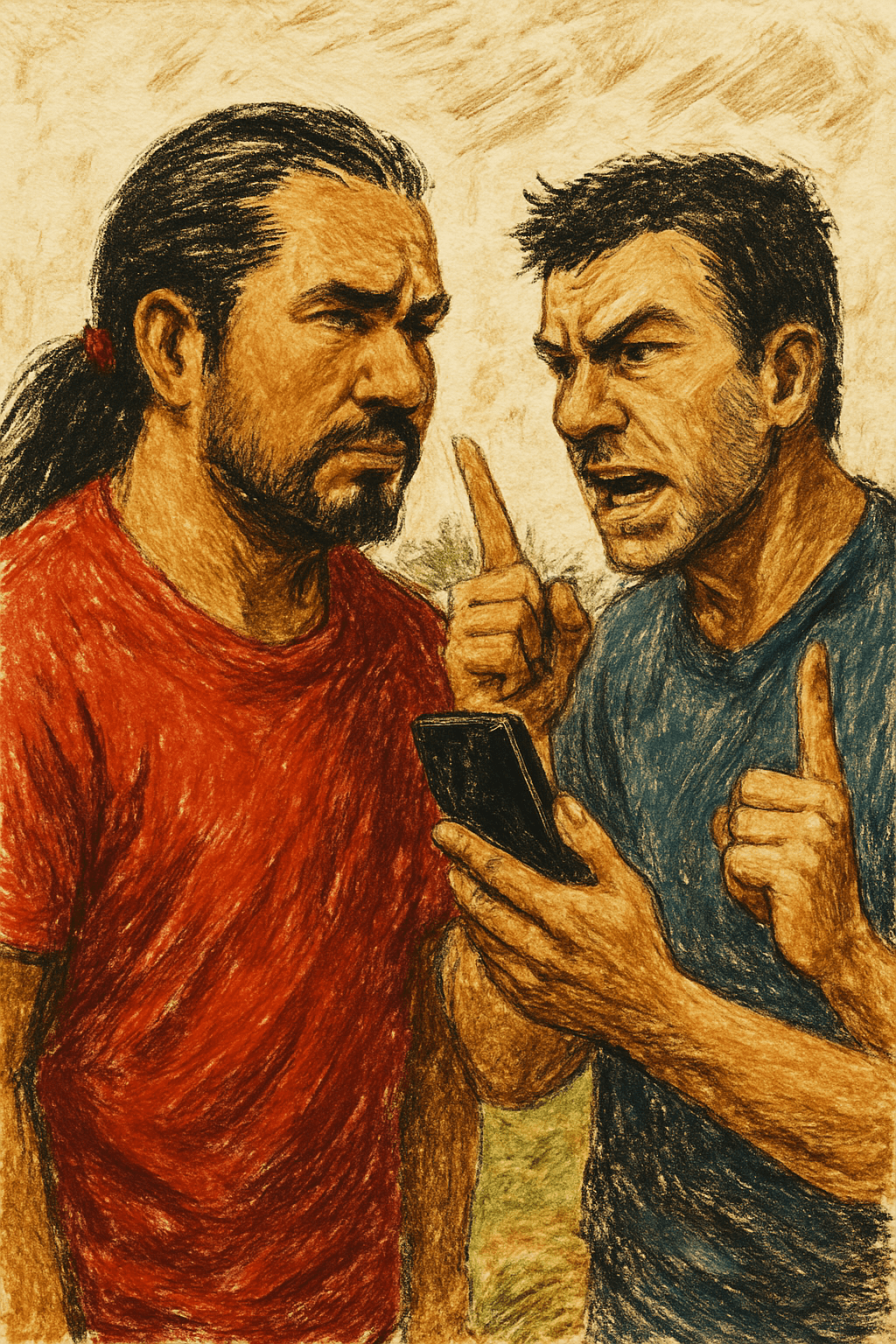
The strain was painful. Rafael felt torn between loyalty to his cousin and the frustration of endless arguments. “You’re blind,” Marco would snap, waving his phone filled with “evidence.” Gatherings once filled with laughter now felt like battlefields.
At first, Rafael tried to fight back with facts, sending Marco articles from reliable sources. But every attempt seemed to deepen the divide. Marco dismissed mainstream news as propaganda and accused Rafael of being part of the problem. The more Rafael pushed, the more distant Marco became.
Rafael reached a breaking point when Marco shouted at him during a family dinner, accusing him of “betraying the truth.” The room fell silent. That night, Rafael sat awake, realizing he couldn’t keep approaching the situation the same way.
He decided to shift strategies. Instead of debating, he began listening with patience, even when he disagreed. When Marco ranted, Rafael responded with calm questions—“How does that make you feel?” or “What worries you most about that?” He focused on the emotions behind the beliefs rather than the claims themselves. To his surprise, the anger in their conversations softened. Marco still believed the conspiracies, but he no longer saw Rafael as an enemy.
At the same time, Rafael took steps to care for himself. He joined a peer support group online where others shared experiences of strained relationships. He read about boundary-setting and learned to step away when discussions grew too heated. He also began spending more time with friends outside the family, grounding himself in healthy connections.
Over months, a new rhythm emerged. Rafael and Marco could share meals without constant fighting, and sometimes they talked about music, cars, or childhood memories. The conspiracies didn’t vanish, but Rafael no longer carried the same burden of despair. He understood that healing didn’t require changing Marco’s mind—it required changing how he engaged.
✨Therapeutic Value:
Rafael’s story demonstrates that in relationships affected by conspiracy beliefs, persistence in debate often deepens divides. Approaching with patience, focusing on emotions rather than arguments, and protecting one’s own well-being can preserve connection without sacrificing mental health. For educators and social workers, the lesson is clear: equip families not only with information but also with relational skills—listening, boundary-setting, and seeking external support. These tools can transform conflict into resilience, even when beliefs remain unchanged.
Educational value stories
Jakub
Jakub used to spend hours talking with his brother, debating sports, music, and family memories. But during the pandemic, those conversations changed. His brother became immersed in conspiracy theories, and every discussion turned into an exhausting battle.
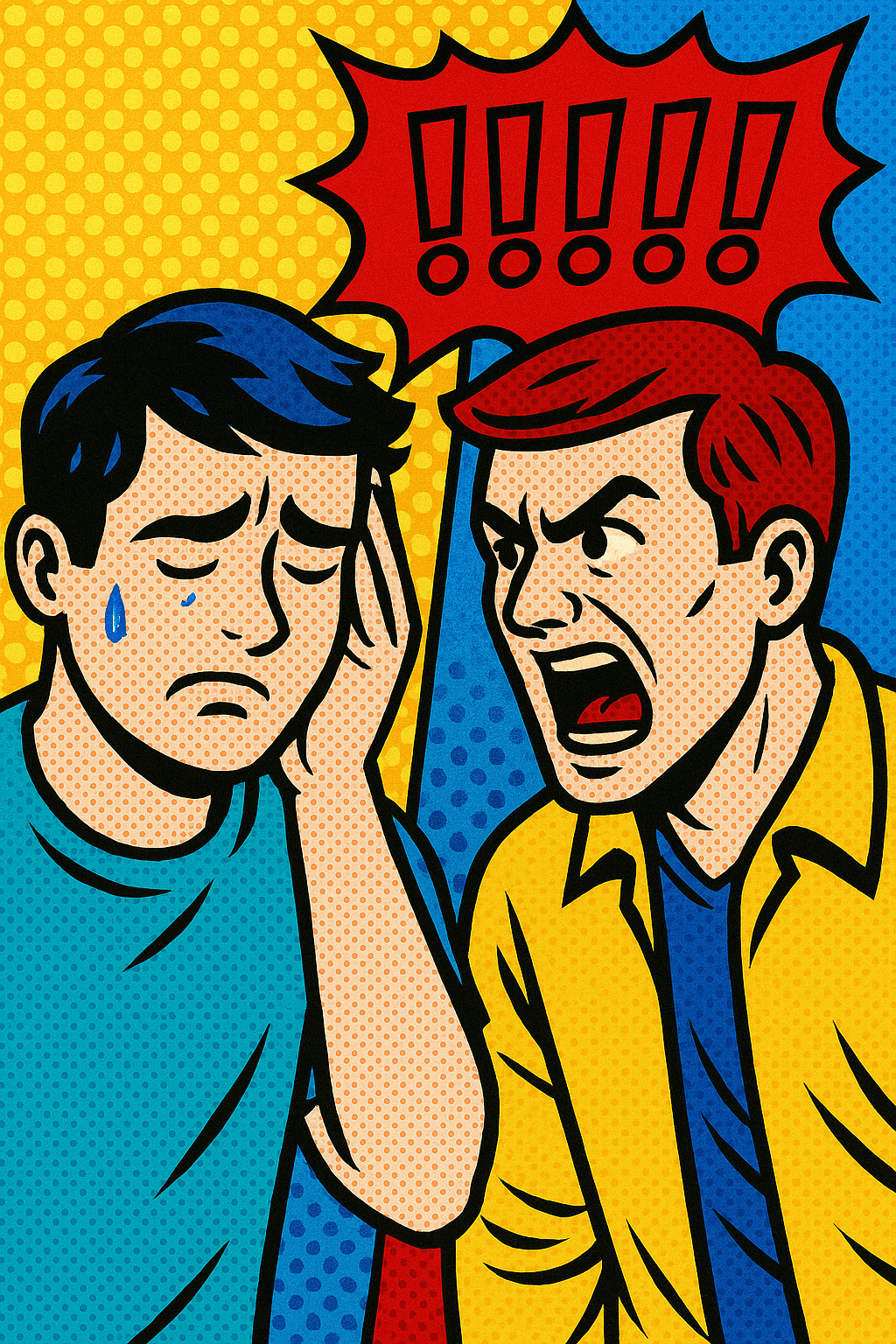
At first, Jakub tried to reason—bringing articles, fact-checks, and patient explanations. But no matter what evidence he offered, his brother pushed back harder. Simple statements like “the sky is blue” spiraled into shouting matches. Jakub left those talks drained, anxious, and often in tears.
Over time, Jakub realized he wasn’t only losing arguments—he was losing his peace of mind. The constant effort to “fix” the situation wore him down. He began to dread family gatherings, avoid phone calls, and withdraw from the brother he once loved to talk with.
📚 Educational Value:
Jakub’s experience illustrates what many families face: the emotional burnout of trying to reason with a loved one trapped in misinformation. For health and social work professionals, these stories highlight how conspiracy beliefs strain relationships, drain energy, and create a need for support not just for the believer—but for their families too.
Dmitri
Dmitri and his aunt could talk for hours before the pandemic. They shared family history, swapped book recommendations, and debated politics with curiosity and respect. Those conversations were part of what made family gatherings feel alive and meaningful. But after she became immersed in conspiracy theories, everything shifted. Each attempt to discuss current events or science ended in arguments—her voice rising, his frustration mounting, until both left the table in silence.
To keep the peace, Dmitri stopped trying. Over time, their exchanges shrank to surface-level talk: the weather, meals, or errands. The warmth of their connection faded.
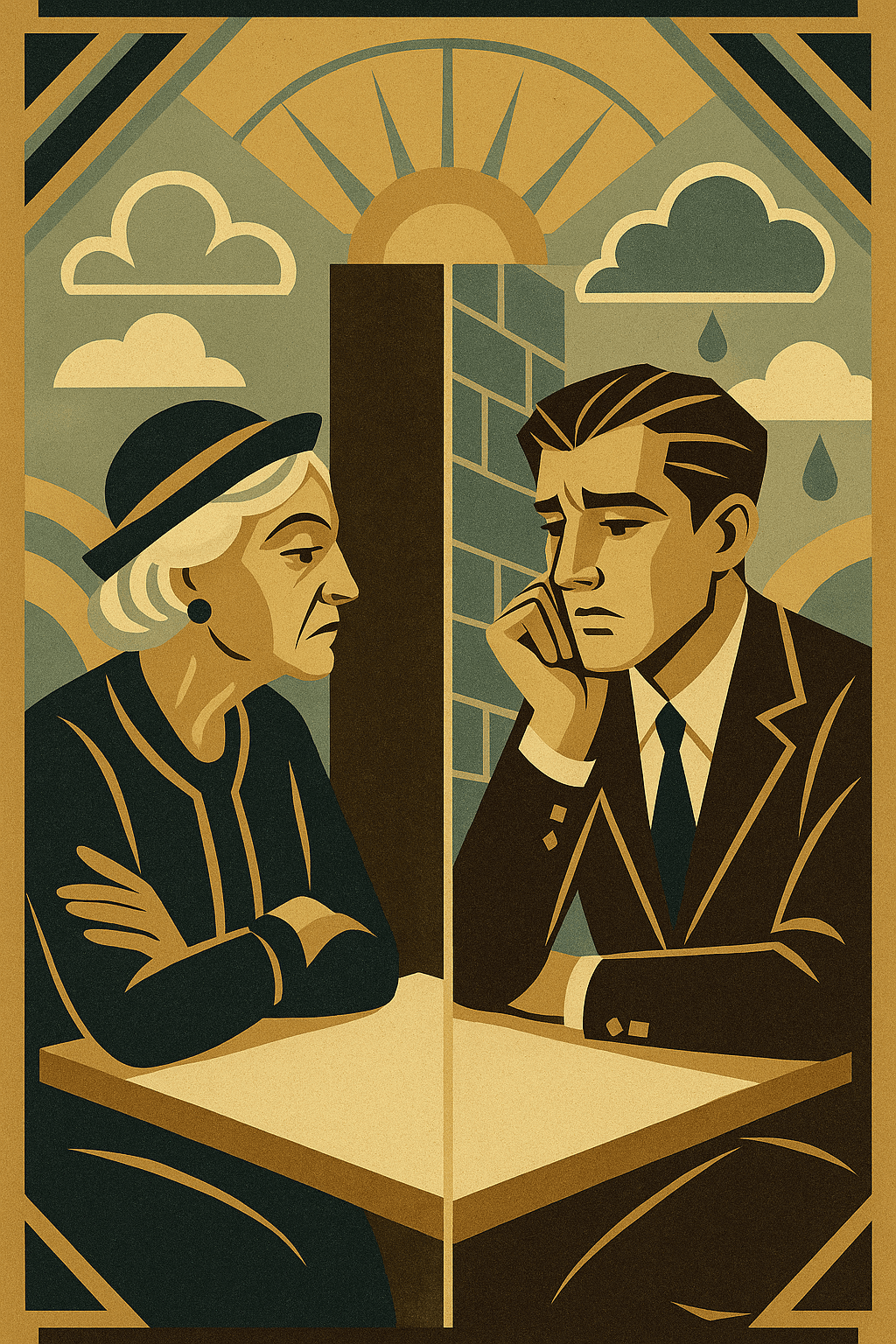
Dmitri described it as “living with a wall between us”—a relationship that existed on paper but no longer nourished either of them. The silence was heavy, a constant reminder of what had been lost, and of the fear that going deeper might spark another conflict.
📚 Educational Value:
Dmitri’s story shows how families often retreat into shallow conversations when misinformation takes hold. For health and social work professionals, recognizing these patterns is vital to understanding relational strain, supporting loved ones in distress, and addressing the hidden impacts of conspiracy beliefs on family life.
Camille
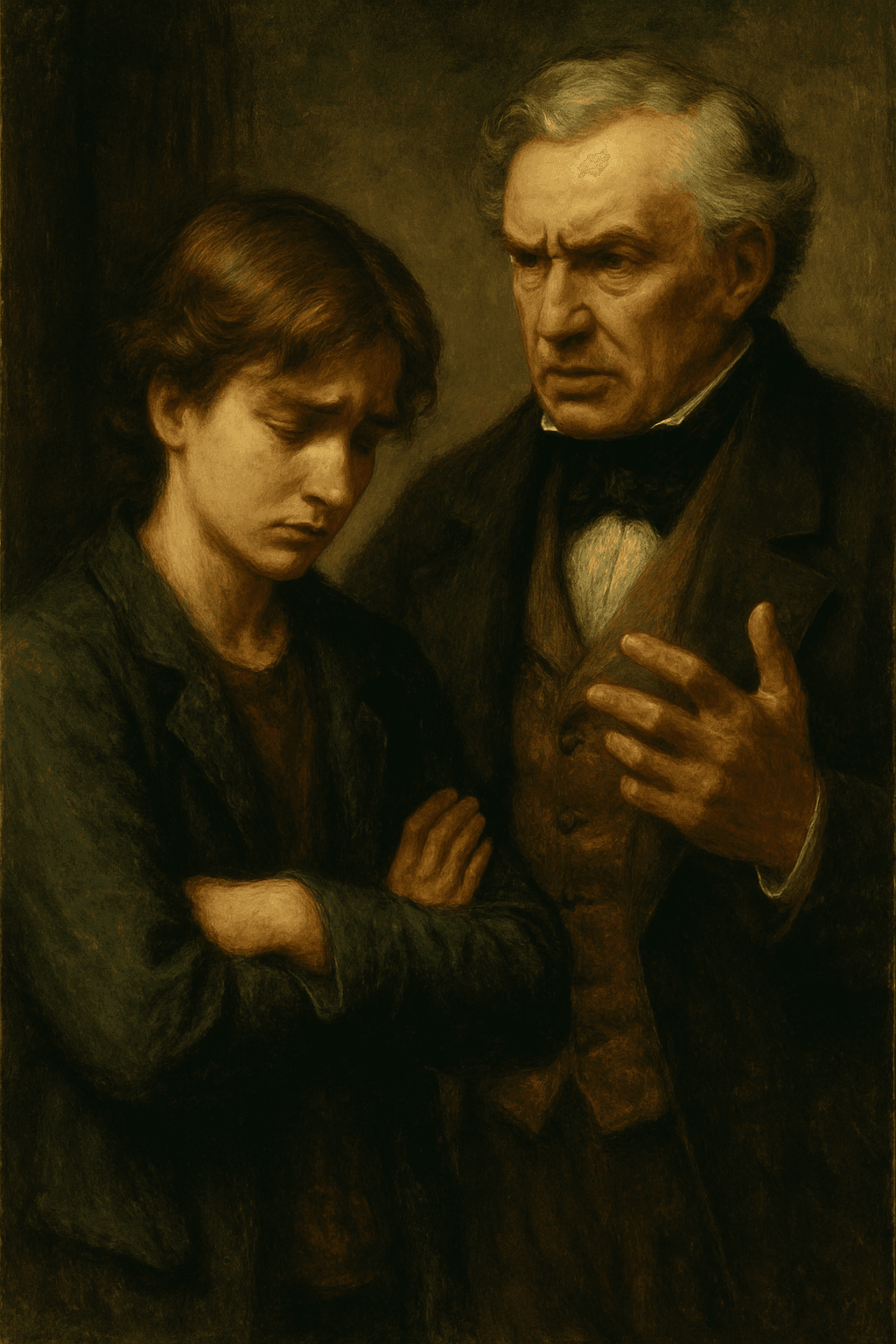
Camille once admired their father’s steady presence. He was the one who taught them to ride a bike, who cheered at their school plays, and who comforted them after heartbreaks. But over the years, Camille noticed subtle changes in his conversations. What began as offhand remarks—questioning politicians or hinting at hidden agendas—grew into passionate speeches about shadowy groups and elaborate conspiracies.
At first, Camille tried to dismiss it as a passing phase. But soon, ordinary conversations turned unsettling. When they expressed sadness, he brushed it aside, absorbed in his “evidence.” When they disagreed, his response was anger. “You’ve been brainwashed,” he snapped once, his voice hard with suspicion. Camille left the room in tears, shaken by the thought that their own father now doubted their integrity.
The hardest part wasn’t the arguments—it was the erosion of trust. They no longer felt safe confiding in him, worried that their words might be twisted or dismissed. Family dinners became tense, with Camille navigating carefully to avoid triggering another outburst. “I’m terrified of being trapped in a conversation with him,” they admitted to a close friend.
Eventually, Camille chose to shift their focus. Instead of trying to change their father’s mind, they worked on protecting their own peace. They limited certain conversations, sought support from peers facing similar struggles, and practiced expressing emotions in safe spaces outside their home. The pain of the distance remained, but they also discovered strength in setting boundaries.
📚 Educational Value:
Camille’s story highlights how conspiracy beliefs can fracture trust within families, leaving loved ones feeling unsafe and unseen. For educators, counselors, and social workers, their experience underscores the importance of helping individuals establish healthy boundaries, find supportive networks, and process grief when close relationships are disrupted by misinformation.
Ji-woo
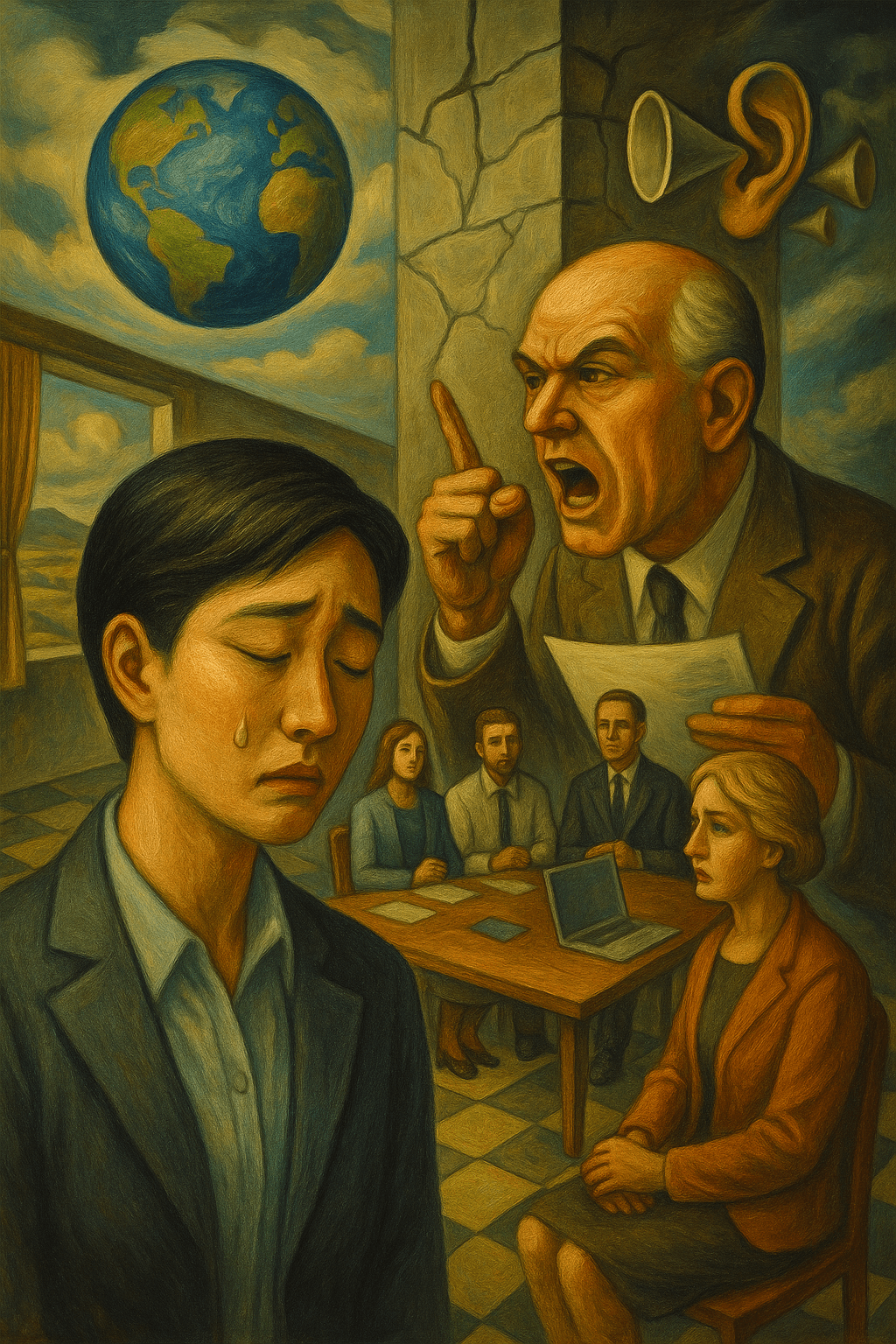
When Ji-woo first joined their new office, they were excited. The team was diverse, full of people with different expertise, and collaboration was central to the work. For the first year, meetings were energetic—brainstorming, laughter, and healthy debate. But when conspiracy theories began circulating widely online, Ji-woo noticed a troubling shift in one of their colleagues, Darren.
At first, it was small comments about politics during coffee breaks. But soon Darren dominated meetings with fiery claims, insisting that global elites were manipulating everything from the weather to the economy. What had once been light conversations over lunch turned into tense standoffs. Some coworkers laughed nervously, while others simply avoided Darren.
For Ji-woo, the change was unsettling. “It’s like talking to a wall,” they confided to a friend. “No matter what evidence you bring, he has 15 reasons why you’re wrong.” They began to dread collaborative projects, fearing that any suggestion would spiral into arguments.
The strain went beyond annoyance. Ji-woo felt their professional identity being questioned. Darren accused them of being part of “mainstream narratives” and dismissed their expertise in front of others. The stress built up to the point that Ji-woo avoided contributing in meetings, worried about sparking another confrontation.
Eventually, Ji-woo decided they had to act differently. They stopped engaging in debates about conspiracies during work hours, redirecting conversations back to tasks and goals. They also approached their manager, who arranged a workshop on respectful communication and misinformation in the workplace. The session didn’t solve everything, but it gave the team language to set boundaries and maintain professionalism.
Outside of work, Ji-woo sought support from peers in similar professions, realizing how widespread the problem was. They also practiced self-care—journaling about their frustrations and re-focusing on the parts of their job that still inspired them. Over time, Ji-woo learned that they couldn’t change Darren’s beliefs, but they could protect their role, their peace of mind, and their sense of worth.
📚 Educational Value:
Ji-woo’s story shows how conspiracy beliefs can spill into workplaces, undermining trust and collaboration. For educators, supervisors, and social workers, the lesson is that misinformation isn’t just a private family issue—it affects professional environments too. Supporting staff through communication training, boundary-setting, and peer support networks is essential for maintaining healthy, functional teams.
Takoda
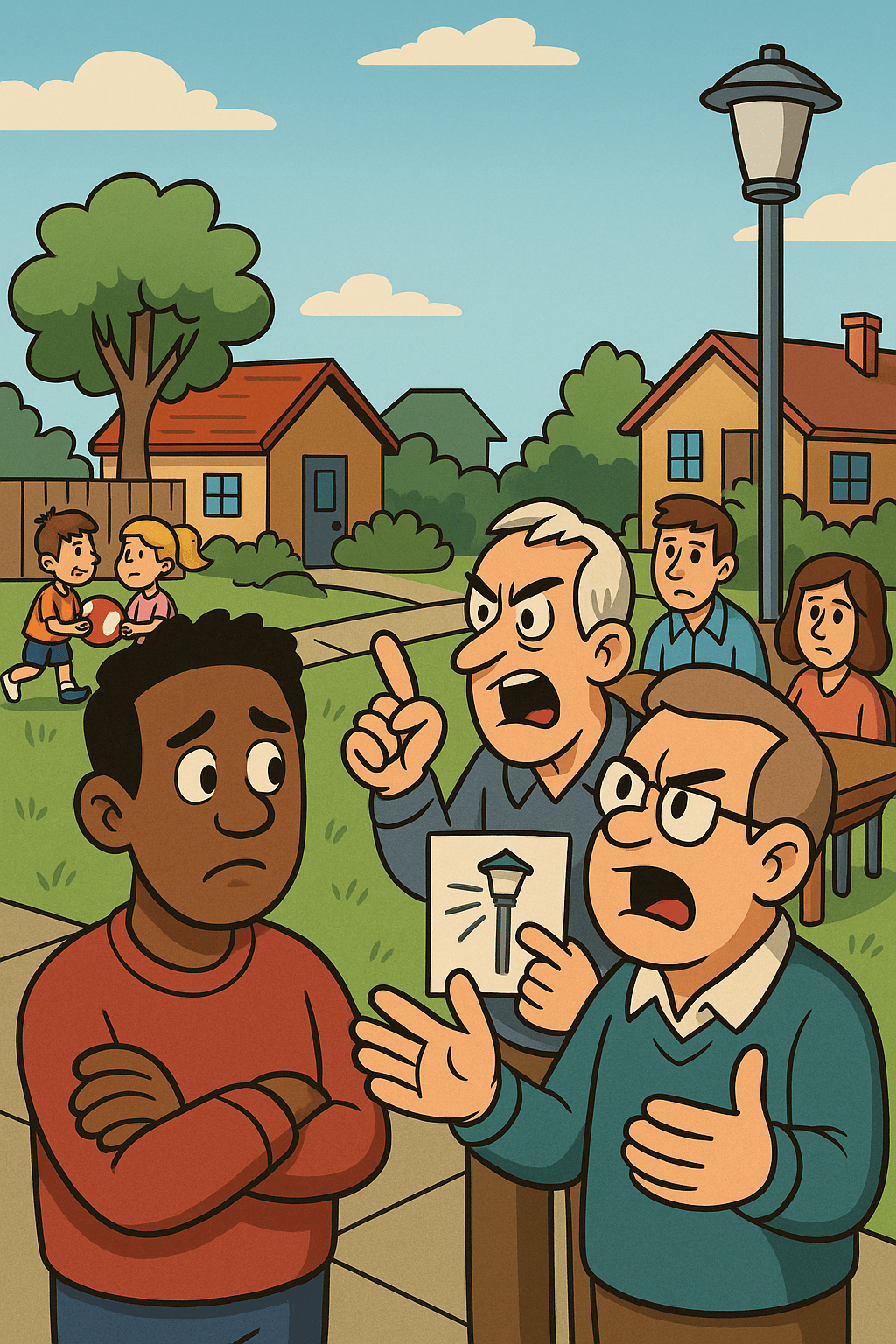
Takoda had lived in their neighborhood for more than twenty years. It was the kind of place where people borrowed sugar from one another, children played ball in the street, and everyone pitched in for the annual block party. For Takoda, these ties were more than casual friendships—they were the foundation of feeling safe and rooted in their community.
But as the years went by, they began noticing a troubling shift. At first, it was casual comments from a neighbor about “hidden truths” in the news. Later, those comments became louder, repeated during community meetings or shouted across the fence. Some neighbors began passing around articles from conspiracy websites, warning of secret plots and demanding that others “wake up.”
Takoda felt the atmosphere changing. Where there used to be easy banter, now there were tense silences. Neighbors who had once exchanged gardening tips stopped talking, fearful of triggering another heated debate. The block party that Takoda had always loved became awkward, with people avoiding one another.
One moment stuck with them. During a meeting about installing new streetlights, a neighbor erupted, claiming the lights were part of a surveillance system to control the neighborhood. When Takoda tried to redirect the discussion back to safety, they were accused of being naïve and “part of the system.” They left the meeting shaken, realizing how quickly misinformation had eroded trust.
At first, Takoda tried to argue back with facts, forwarding reliable news sources and even inviting an expert to speak at a meeting. But the more they pushed, the more defensive and angry some neighbors became. A few began forming their own circle, meeting privately and reinforcing one another’s fears. The community Takoda loved felt fractured.
Eventually, Takoda shifted their approach. Instead of debating, they looked for ways to preserve connection without feeding conflict. They organized small neighborhood activities—gardening days, potlucks, and children’s sports—where conspiracies were not the focus. By setting clear boundaries, they gently redirected conversations toward shared goals. They also sought advice from community organizations experienced in dealing with misinformation. These groups helped them see that protecting relationships, when possible, was more effective than endless arguing.
Most importantly, Takoda learned to care for their own mental health. They confided in close friends, took long walks to clear their head, and reminded themself that they were not responsible for “fixing” everyone. Slowly, they found balance: maintaining ties with those open to connection, while limiting exposure to hostility. The sense of community was not what it once was, but Takoda discovered resilience in adapting.
📚 Educational Value:
Takoda’s story illustrates how conspiracy beliefs can fracture not only families but entire communities. It shows the importance of shifting strategies from debate to boundary-setting, redirecting energy into shared activities, and seeking outside support. For educators, social workers, and community leaders, the lesson is clear: protecting trust and well-being requires focusing on common ground, strengthening healthy connections, and providing support for those navigating division.
Advocacy value stories
Amina and her brother
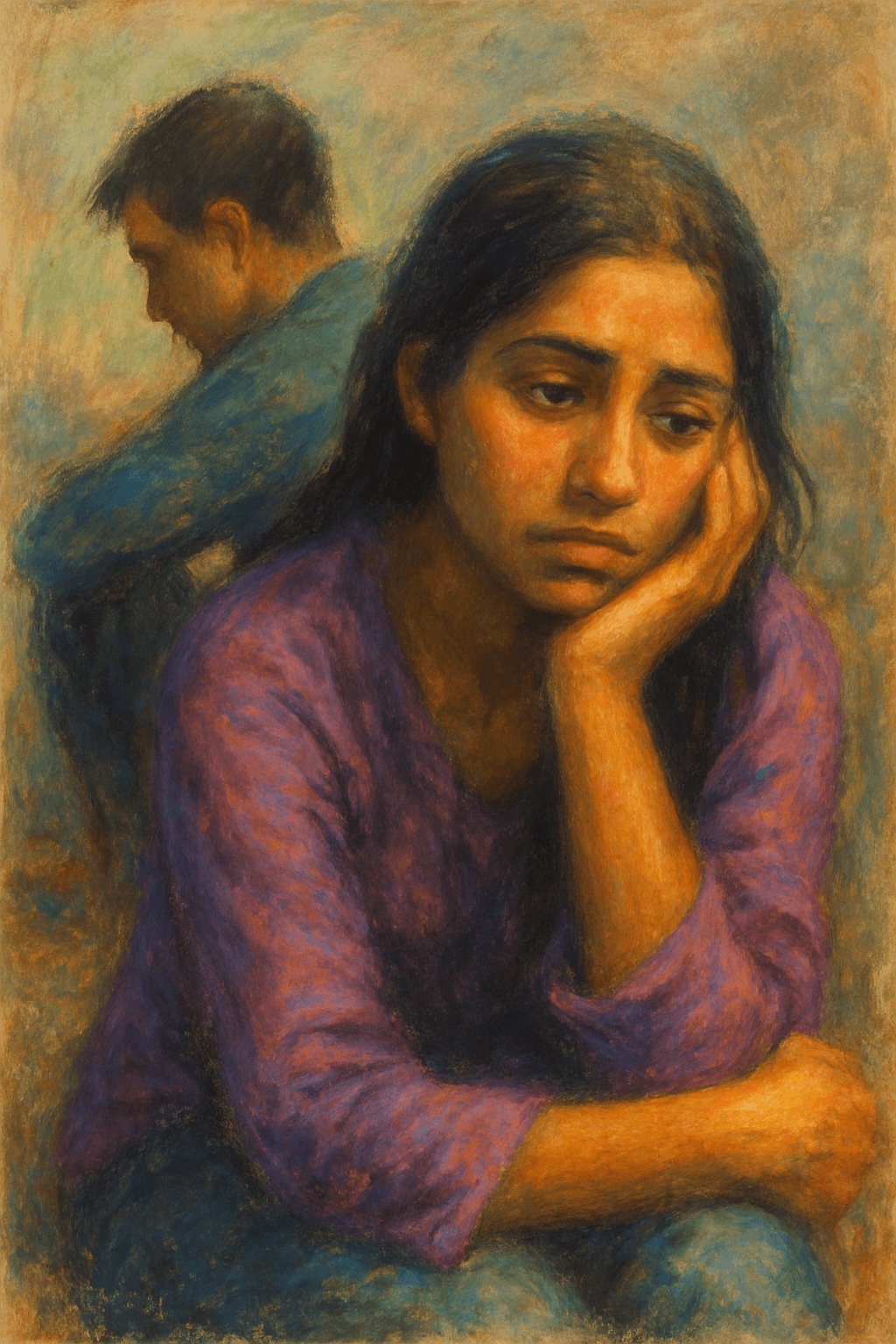
Amina and her brother grew up inseparable—sharing secrets, music, and dreams of the future. But when he became deeply involved in conspiracy beliefs, their bond fractured. Conversations that once brought laughter turned into accusations and anger. Soon, calls went unanswered, visits stopped, and holidays passed in silence.
For Amina, the hardest part wasn’t losing the debates—it was losing her brother. She describes it as a grief that never fully heals: “It’s like he’s still alive, but not really here with me anymore.”
What began as a disagreement over information grew into a painful estrangement that affected her sleep, mental health, and sense of belonging. She never imagined that misinformation could take away something so personal: her family.
📣 Advocacy Value:
Amina’s story reveals the hidden wellness costs of conspiracy beliefs—damaged trust, broken family ties, and lasting emotional wounds. Sharing these stories raises awareness that conspiracy theories are not just “wild ideas,” but public health issues with real human consequences.
Nia and Kwame
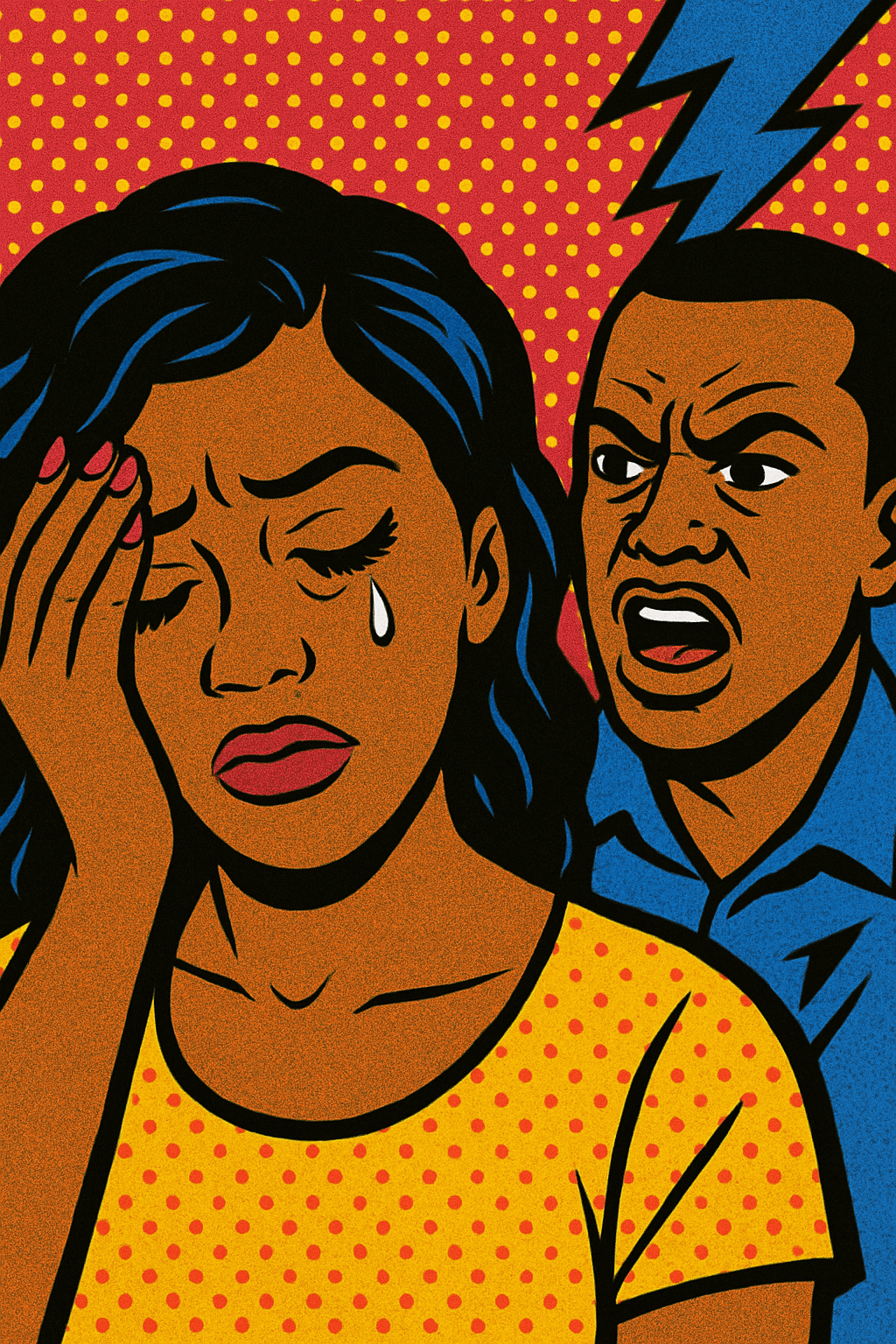
Nia and Kwame had been married for more than 15 years. They had built a life around their children, work, and shared routines. Their relationship was not perfect, but it was steady. When the pandemic hit, however, Kwame began spending long hours online. Slowly, his conversations turned into warnings about hidden plots, government lies, and secret control.
At first, Nia tried to listen. She asked questions, hoping to understand, but the theories grew darker and more rigid. Soon, every discussion about health, school, or finances turned into a battle. Nia felt like her husband was no longer beside her but inside a world she could not enter.
The tension spread through the household. Their children avoided dinner time. Nia moved into a separate bedroom to find peace. By the second year, divorce felt inevitable. She described the emotional toll as “living with a stranger who shares my name but not my reality.”
📣 Advocacy Value:
Nia and Kwame’s near-divorce shows how conspiracy beliefs can destabilize families, strain mental health, and fracture communities. These stories make clear that conspiracy beliefs are not just “private opinions” but a public health concern with far-reaching human costs.
Emre
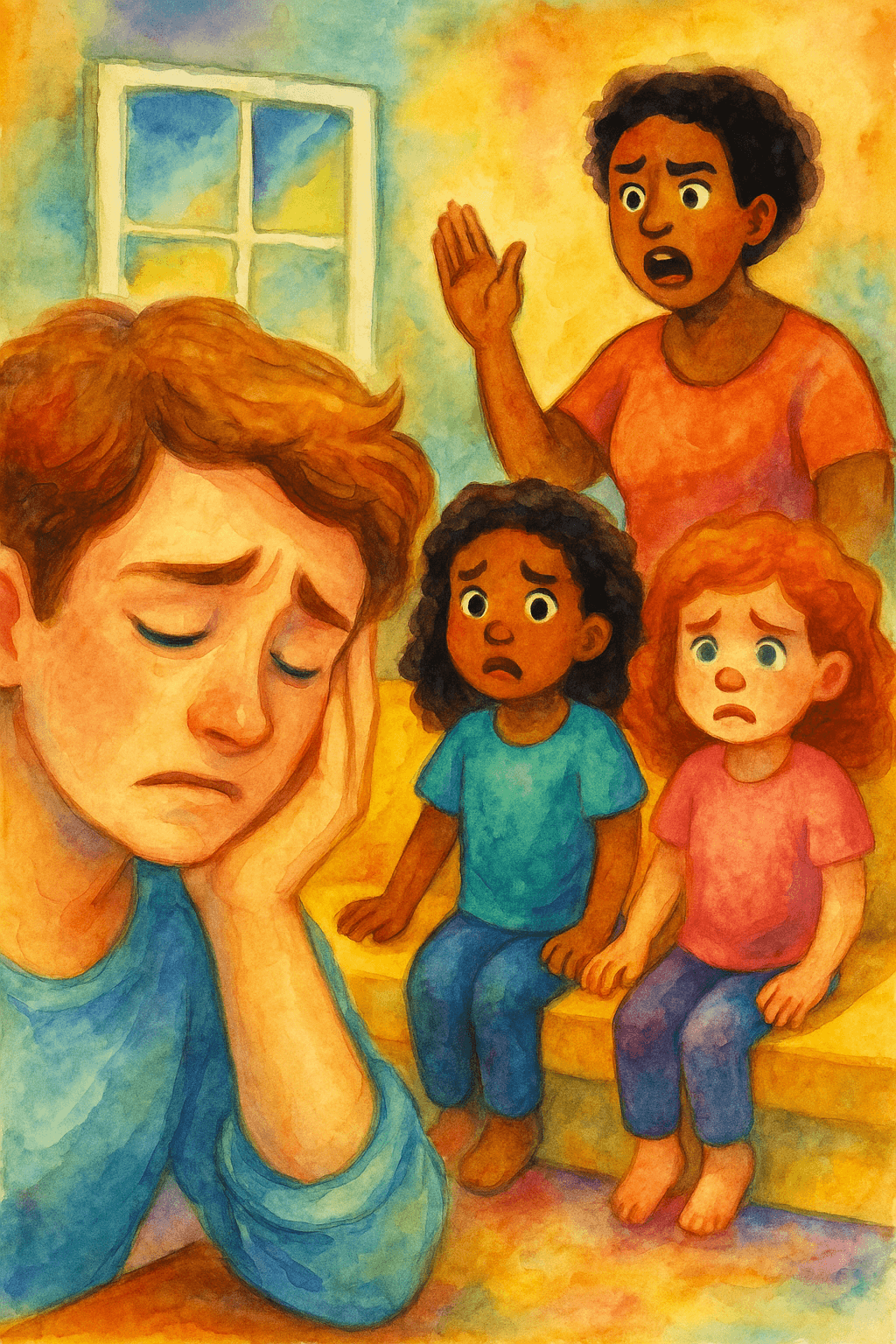
Emre once looked forward to weekends at their sister’s home. They adored their two young nieces, spending hours playing board games, reading stories, and helping them with homework. Those visits were a joyful constant in their life—until their sister became immersed in conspiracy beliefs.
At first, her remarks seemed harmless: suspicions about politicians or skepticism of vaccines. But gradually, her worldview hardened. She grew convinced that most of the family was “brainwashed” and dangerous for her children to be around. What followed was devastating for Emre: their sister cut off contact, isolating her daughters and refusing to let them see each other.
“It feels like I lost them, even though they’re just across town,” Emre confided. The grief was heavy, not just for the broken sibling bond, but for the absence of two children they loved deeply. They described lying awake at night, replaying memories of their laughter, wondering if the girls would even remember them as they grew older.
For Emre, the pain went beyond family. It became a public concern in their eyes. Conspiracy beliefs had turned into tools of isolation, depriving children of healthy relationships and cutting them off from extended support networks. The consequences weren’t abstract—they were two little girls who lost a beloved relative and the chance to grow up surrounded by love.
📣 Advocacy Value:
Emre’s story shows how conspiracy beliefs can harm children by fracturing extended family connections and creating isolation. These narratives highlight that conspiracy theories are not simply “personal choices”—they ripple outward, disrupting caregiving systems and depriving children of emotional and social support. Advocacy must frame conspiracy beliefs as a public health issue, demanding resources, awareness, and interventions that protect families and especially vulnerable children.
Leila
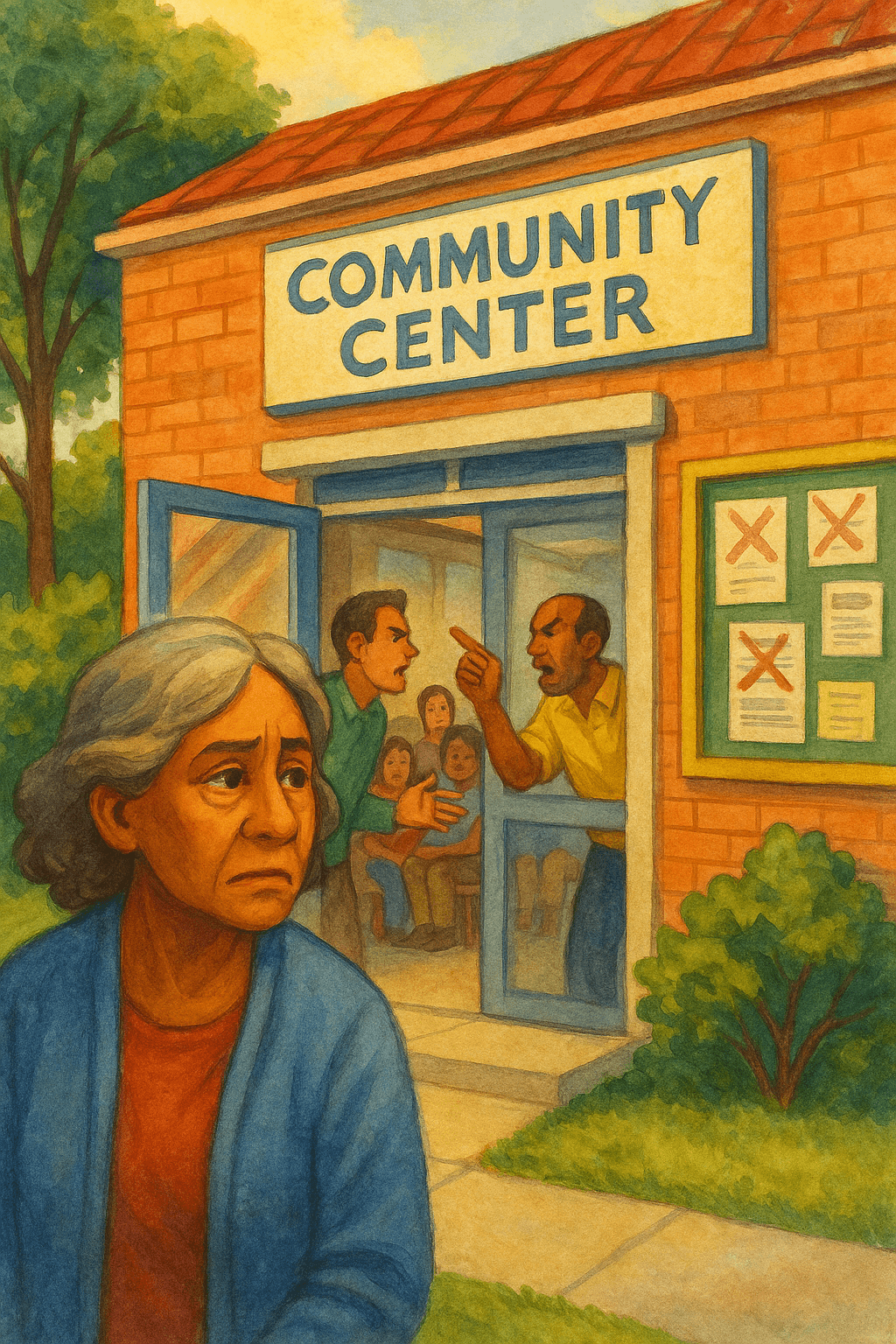
Leila had always been proud of her neighborhood. The community center was her second home—a place where people of different ages and backgrounds came together for fitness classes, language lessons, and volunteer projects. For Leila, the center was more than a building. It was a symbol of shared purpose, a place where neighbors supported one another and differences didn’t matter.
But over time, she began to notice a change. Flyers started appearing on the bulletin board, warning of “hidden agendas” in local government. A few volunteers began sharing conspiracy theories during coffee breaks, insisting that the center’s health programs were part of a larger plan to control people. What began as murmurs soon grew into open conflict.
One evening, during a community meeting about youth programs, a man stood up and accused the center of “brainwashing children.” Another warned that vaccines offered at a health fair were “poison.” The room erupted into shouting. Leila, sitting in the back, felt her stomach twist. The same space that once echoed with laughter now buzzed with suspicion.
The shift didn’t just divide opinions—it eroded trust. Some parents stopped bringing their children to after-school programs. Seniors withdrew from wellness classes. Volunteers resigned, tired of the constant arguments. Leila described it as “watching a safe haven collapse under the weight of lies.”
For her, the pain was personal. She had once relied on the center for support after losing her husband. Now, walking into the building felt like walking into a battlefield. She missed the sense of belonging, the small acts of kindness, the shared joy of helping others.
The deeper cost, Leila realized, was communal. Conspiracy beliefs didn’t just damage individuals—they dismantled networks of care. A place designed to nurture health and unity had become a site of mistrust and fragmentation.
📣Advocacy Value:
Leila’s story highlights how conspiracy theories weaken community institutions that provide social support and public health resources. This erosion doesn’t stay contained—it affects children, elders, and families who depend on safe, trusted spaces. Advocacy must frame conspiracy beliefs as a collective concern, demanding policies and programs that protect community institutions from misinformation and ensure they remain spaces of trust, health, and resilience.
Wei

Wei loved their job at a midsize tech company. They enjoyed the mix of problem-solving and teamwork, and they valued the easy camaraderie with colleagues. Lunch breaks were lively, filled with discussions about sports, new movies, and plans for the weekend.
But over time, the atmosphere began to shift. A few colleagues started sharing videos and articles claiming that major world events were staged or manipulated. At first, Wei treated it as background noise—strange ideas that would fade quickly. Instead, the conversations grew louder and more frequent.
Soon, staff meetings were disrupted by comments about hidden agendas. A routine discussion about cybersecurity turned into a heated monologue about “shadowy elites controlling the internet.” Another meeting about health benefits derailed into a debate over whether vaccines were “a plot.” What should have been collaborative sessions left the team frustrated and drained.
Wei noticed how morale began to drop. Coworkers who once enjoyed brainstorming stopped contributing, worried their ideas would trigger another outburst. Some avoided the lunchroom altogether. The sense of unity that once defined the workplace fractured into cliques—those who believed the conspiracy theories and those who quietly avoided them.
For Wei, the change was personal. They had once counted one of these colleagues as a close friend. They used to carpool and exchange book recommendations. Now, every ride turned into a lecture about “corruption and cover-ups.” Wei tried to redirect the conversations, but their friend dismissed them as “brainwashed.” Over time, the friendship faded into silence.
Wei realized that the problem wasn’t just interpersonal—it was organizational. Productivity was declining, teamwork was suffering, and the company’s culture was eroding. When misinformation takes hold, it doesn’t just affect individuals—it reshapes entire environments.
Instead of giving up, Wei raised the issue with HR. To their relief, management recognized the concern. They invited external facilitators to lead workshops on digital literacy, respectful communication, and strategies for handling misinformation. While not everyone was receptive, the sessions gave employees language to set boundaries and a framework for keeping meetings on track.
Gradually, the workplace improved. The conspiracy theories didn’t vanish, but they stopped dominating every conversation. More importantly, staff learned that it was possible to disagree respectfully while focusing on shared goals.
📣 Advocacy Value:
Wei’s story shows that conspiracy beliefs don’t only harm families—they disrupt workplaces, reducing trust, morale, and productivity. These effects ripple outward, affecting organizational health and employee well-being. Advocacy is needed to push for workplace programs on misinformation awareness, communication skills, and conflict resolution. By framing conspiracy theories as a public health and organizational issue—not just a personal belief—we can better protect spaces where collaboration, trust, and shared purpose are essential.